
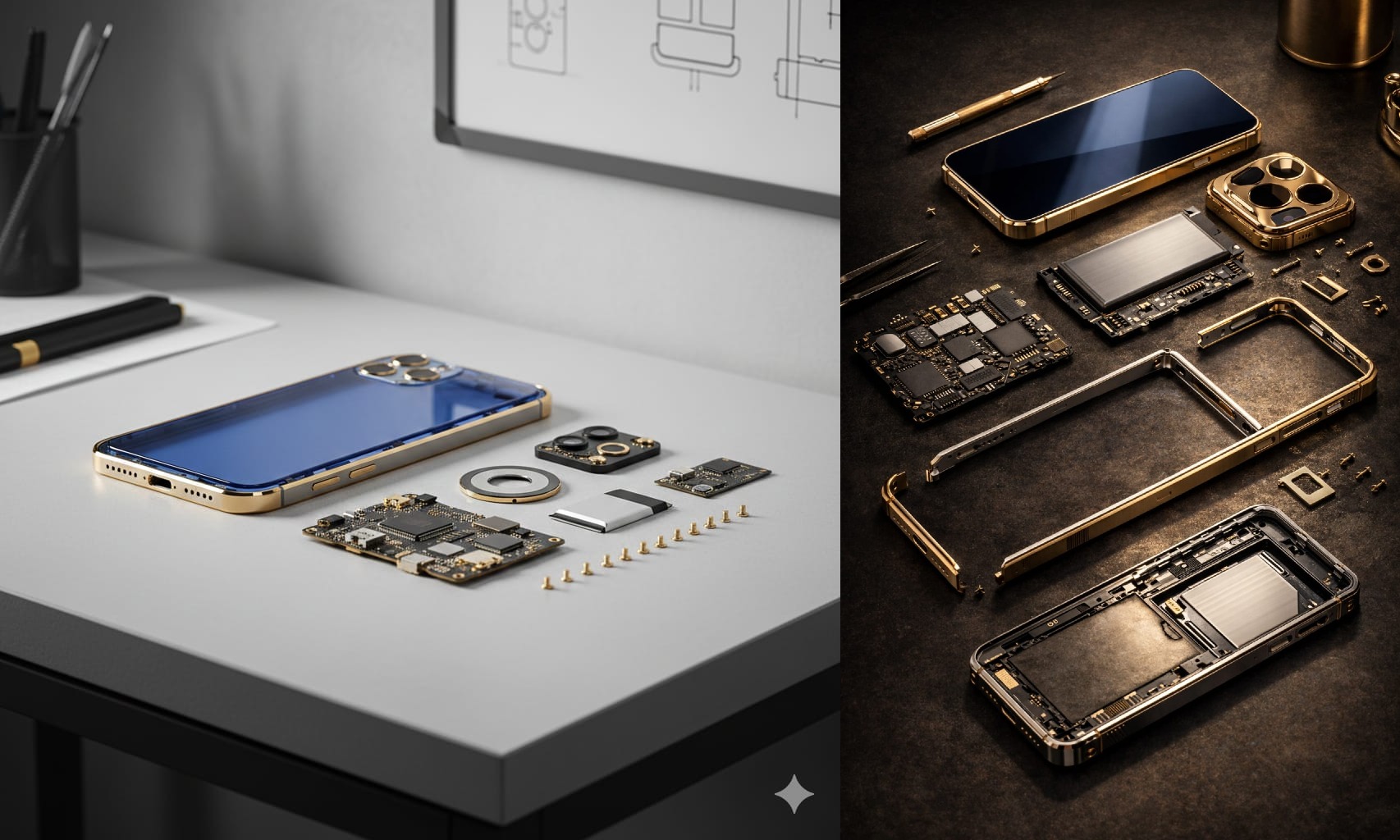
Introduction: Why Do Some Smartphones Cost More Than a Car? 🤔
Have you ever seen a smartphone priced higher than a luxury vacation—or even a small car—and wondered who actually buys these phones and why?
You’re not alone. The idea of the most expensive smartphones often feels confusing, excessive, or even unnecessary. But behind those eye-watering price tags lies a fascinating mix of technology, craftsmanship, branding, and psychology.
This article solves a simple but important problem:
Understanding what truly makes a smartphone expensive—and whether that cost makes sense for you.
After analyzing everything across the internet and gathering real-world insights, the Bhussan.com team shares this friendly, helpful article to break down luxury smartphones in a way that actually makes sense 😊

By the end, you’ll know:
-
What defines the most expensive smartphones
-
Why do they cost so much
-
Who they’re really made for
-
When buying one does (and doesn’t) make sense
What Are the Most Expensive Smartphones? (Simple Definition)
The most expensive smartphones are devices priced far above standard flagship phones, not just because of performance, but due to luxury materials, exclusivity, craftsmanship, and brand prestige.
Unlike regular premium phones that focus on specs, these ultra-premium smartphones emphasize:
-
Rarity
-
Design artistry
-
Custom materials
-
Status and exclusivity
In many cases, you’re paying less for hardware upgrades and more for experience, ownership, and uniqueness.
Core Fundamentals That Make Smartphones Expensive (Timeless Factors)
1. Premium Materials That Go Beyond Glass and Aluminum
Regular smartphones use aluminum, glass, or stainless steel.
The most expensive smartphones go further:
-
Solid gold or platinum frames
-
Sapphire crystal displays
-
Hand-stitched leather backs
-
Ceramic or titanium bodies
These materials are:
-
Harder to source
-
Harder to manufacture
-
More durable (and prestigious)
This alone can multiply the cost several times.
2. Craftsmanship Over Mass Production
Most smartphones are mass-produced. Luxury smartphones are often:
-
Hand-assembled
-
Made in limited quantities
-
Inspected individually
This approach mirrors luxury watches more than consumer electronics.
You’re paying for human labor, precision, and scarcity.
3. Exclusivity and Limited Availability
Scarcity increases value—this is a timeless principle.
Many of the most expensive smartphones:
-
They are produced in limited numbers
-
Require custom orders
-
They are unavailable in regular stores
Owning one instantly signals rarity and status.
[Image Suggestion: Limited-edition luxury phone collection]
Alt text: most expensive smartphones, limited edition
4. Brand Prestige and Psychological Value
Luxury branding plays a major role.
Just like high-end watches or cars:
-
Brand history matters
-
Reputation increases perceived value
-
Ownership becomes emotional, not logical
This is why two phones with similar specs can have vastly different prices.
What Makes These Phones Different from Regular Flagships?
Here’s a clear comparison:
| Feature | Regular Flagship Phones | Most Expensive Smartphones |
|---|---|---|
| Focus | Performance & camera | Luxury & exclusivity |
| Materials | Glass & aluminum | Gold, sapphire, leather |
| Availability | Mass market | Limited editions |
| Value Type | Practical | Emotional & status |
| Upgrade Cycle | 1–2 years | Long-term ownership |
Important insight:
Luxury phones are not designed to compete on specs—they compete on identity and experience.
Are the Most Expensive Smartphones Worth It? (Honest Answer)
They Make Sense If You:
-
Value exclusivity over specs
-
Appreciate craftsmanship
-
See phones as personal statements
-
Want something very few people own
They Don’t Make Sense If You:
-
Upgrade phones frequently
-
Care mainly about the camera or performance
-
Want the best value for money
-
Prefer practical features
There’s no right or wrong choice, only aligned or misaligned expectations.
Pros and Cons of the Most Expensive Smartphones
Pros
-
Exceptional materials and build quality
-
Unique design and exclusivity
-
Strong status symbolism
-
Often better durability
Cons
-
Extremely high price
-
Limited software updates
-
Specs may lag behind flagships
-
Low resale liquidity
Being honest about limitations builds trust—and avoids regret.
How to Decide If a Luxury Smartphone Is Right for You
Ask yourself:
-
Am I buying this for function or feeling?
-
Do I value rarity more than features?
-
Will I keep this phone long-term?
-
Does this purchase align with my lifestyle?
If your answers lean toward emotional and experiential, luxury phones may genuinely satisfy you.
Frequently Asked Questions❓
1. What defines the most expensive smartphones?
Luxury materials, craftsmanship, exclusivity, and brand prestige.
2. Are expensive smartphones better than flagships?
Not always in specs, but better in build and exclusivity.
3. Do luxury phones last longer?
Physically, yes, but software support varies.
4. Why use gold or sapphire?
For durability, rarity, and prestige.
5. Are they handmade?
Many are partially or fully hand-assembled.
6. Do they have better cameras?
Not necessarily.
7. Are luxury phones secure?
Often yes, sometimes with custom security features.
8. Who buys these phones?
Collectors, executives, and luxury enthusiasts.
9. Are they good investments?
Rarely—mostly lifestyle purchases.
10. Do they get Android or iOS updates?
Depends on the manufacturer.
11. Can they be customized?
Yes, many allow personalization.
12. Are they heavier?
Usually, due to the metal construction.
13. Are luxury phones durable?
Materials are strong, but repairs are costly.
14. Do celebrities use them?
Some do, but not universally.
15. Are they waterproof?
Not always—check specifications.
16. Is resale value high?
Only for rare editions.
17. Do they support modern apps?
Yes, but long-term support varies.
18. Are they practical?
They prioritize luxury over practicality.
19. Do they have warranties?
Usually limited or brand-specific.
20. Can they replace flagships?
Functionally, yes; competitively, no.
21. Are they limited editions?
Most are.
22. Do they use special packaging?
Often luxurious and custom-made.
23. Are they good for daily use?
Yes, if you’re comfortable carrying luxury.
24. Do they scratch easily?
Sapphire resists scratches well.
25. Are repairs expensive?
Very.
26. Are they heavier than iPhones?
Typically yes.
27. Do they support 5G?
Newer models generally do.
28. Can they be insured?
Yes, often recommended.
29. Are luxury phones status symbols?
Absolutely.
30. Should everyone buy one?
No—and that’s what makes them special.
Conclusion: The Real Meaning Behind the Most Expensive Smartphones
The most expensive smartphones aren’t about winning spec wars—they’re about identity, craftsmanship, and exclusivity.
For some, they feel unnecessary.
For others, they’re deeply satisfying.
The key is understanding why they exist—and whether that reason aligns with your values, not trends.
If you enjoyed this deep dive, bookmark this guide or explore more evergreen tech insights on Bhussan.com 😊