
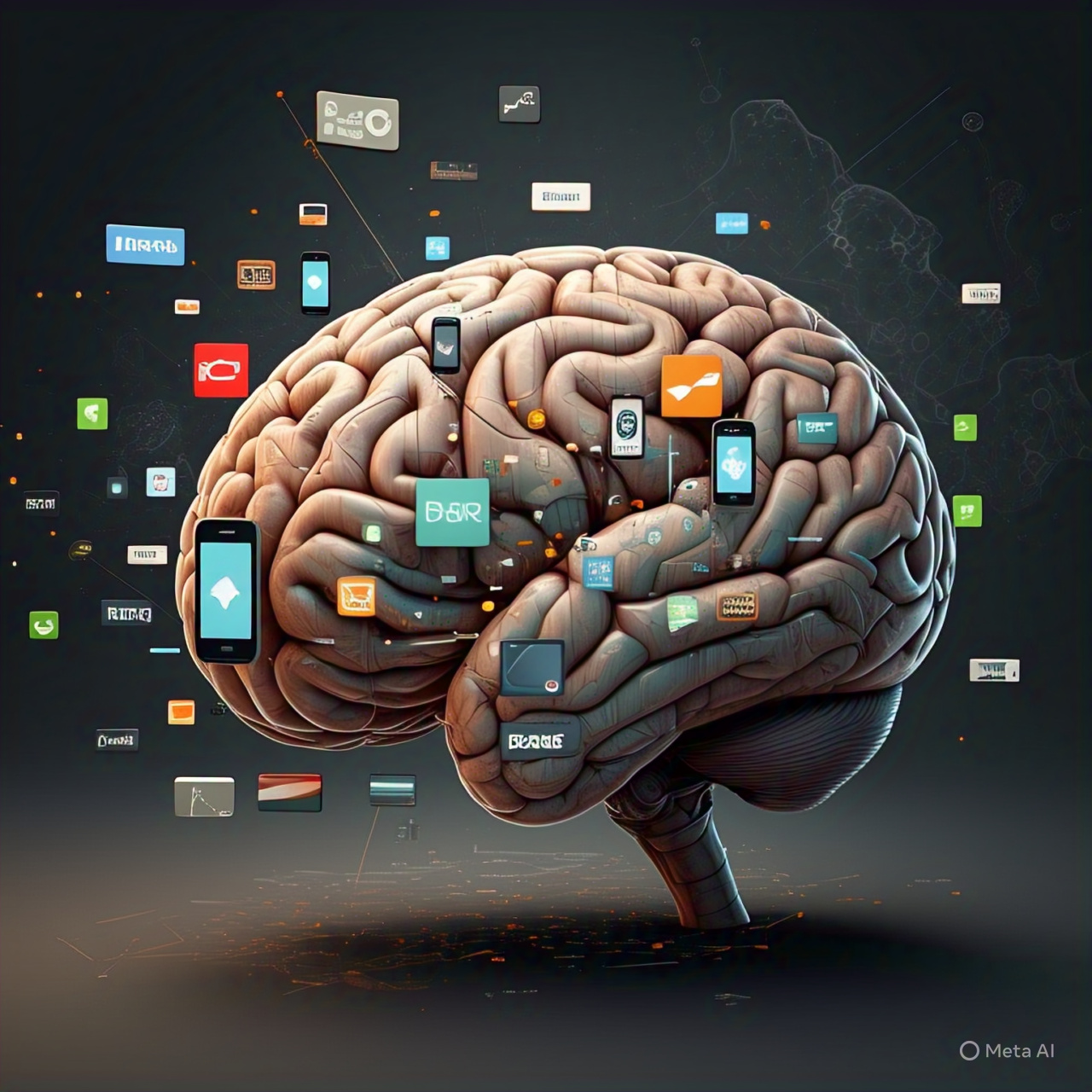
Brain Rot and Screen Overload: How Your Phone May Be Wrecking Your Focus🧠
Ever scrolled through Instagram Reels for “just 5 minutes”… and looked up two hours later, wondering where your brain went? 🤯
Yep — it’s not just you. There’s actually a name for this feeling: brain rot.
Introduction📚
Have you ever lost track of time while binge-watching YouTube shorts or endlessly scrolling TikTok? 😵💫
You close the app, and suddenly your brain feels like mushy potatoes.
No focus. No memory. Just… fog.
Sounds familiar?
Is this something you want to search the entire internet for, analyze, and separate the facts from myths?
If yes, you’re in the right place!
After analyzing everything across the internet and gathering real-world insights, the Bhussan.com team is here to share this super-friendly (and totally real) guide to brain rot, screen overload, and how to protect your precious focus. 🎯
Ready? Let’s jump in!
What Is Brain Rot? (And Why It’s Not Just Internet Slang)🌪️
Once upon a time, “brain rot” was a funny meme online. People joked about it when they binge-watched random cat videos or played video games for hours.
Fast forward to 2025? 🕰️
Brain rot is now a real concern among neurologists, psychologists, and even Oxford University Press (it was named their Word of the Year)!
👉 Brain rot refers to the mental fog, restlessness, poor focus, and cognitive fatigue caused by excessive consumption of shallow, rapid, emotionally intense digital content.
Imagine your brain stuck on a rollercoaster — speed, stimulation, emotion, more speed. 🌀
No wonder you feel exhausted afterward!
Dr. Samir Parikh, a renowned psychiatrist, says:
“Brain rot is a metaphor. It describes the cognitive decline that can happen when you overconsume digital junk without using logic or mindfulness.”
Symptoms of Brain Rot: Is Your Focus Under Attack?
Wondering if you’re dealing with brain rot?
Check these common signs:
✅ Struggling to finish long books or articles
✅ Constantly needing background noise
✅ Zoning out during conversations
✅ Forgetting what you just watched… minutes later
✅ Feeling mentally tired but physically restless
Sound familiar? 🙋♀️
👉 These aren’t just random bad days. They’re real signs that your focus is under siege by screen overload.
Why?
Because your brain is overloaded with tiny dopamine hits, shallow content, and endless app-switching.
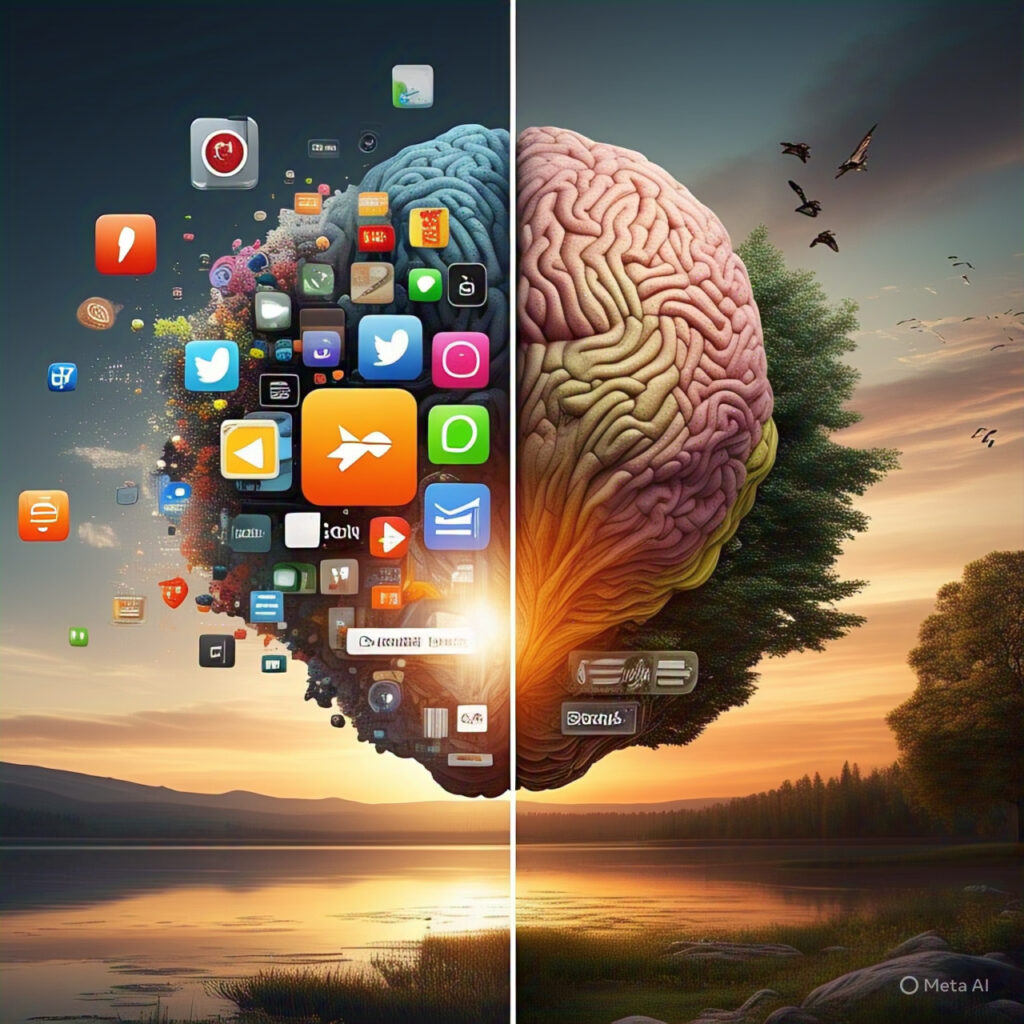
Why Brain Rot Happens: Dopamine Loops, Shallow Content & Fragmented Attention
Let’s geek out a little… without making it boring! 😄
Here’s what’s happening inside your head every time you scroll:
Dopamine Overload🔥
Every like, view, or swipe gives you a tiny dopamine hit — a “feel good” chemical.
Your brain starts craving more… and more… and more. It’s an endless hunger.
Low Cognitive Effort🧩
Short videos, quick posts = brain doesn’t have to work hard.
So it gets “lazy” and starts avoiding real effort like reading or deep thinking.
Fragmented Attention🪞
Switching between Instagram → YouTube → Twitter → Emails → TikTok makes it hard for your brain to focus on one thing. It loses its “attention muscle.”
Emotional Numbness😶
Extreme, fast content (hilarious memes, horrifying news, shocking trends) can dull your emotional responses over time.
You might laugh less… cry less… even care less.
In short:
Brain rot isn’t just about silly videos. It’s about how they rewire your brain’s needs.
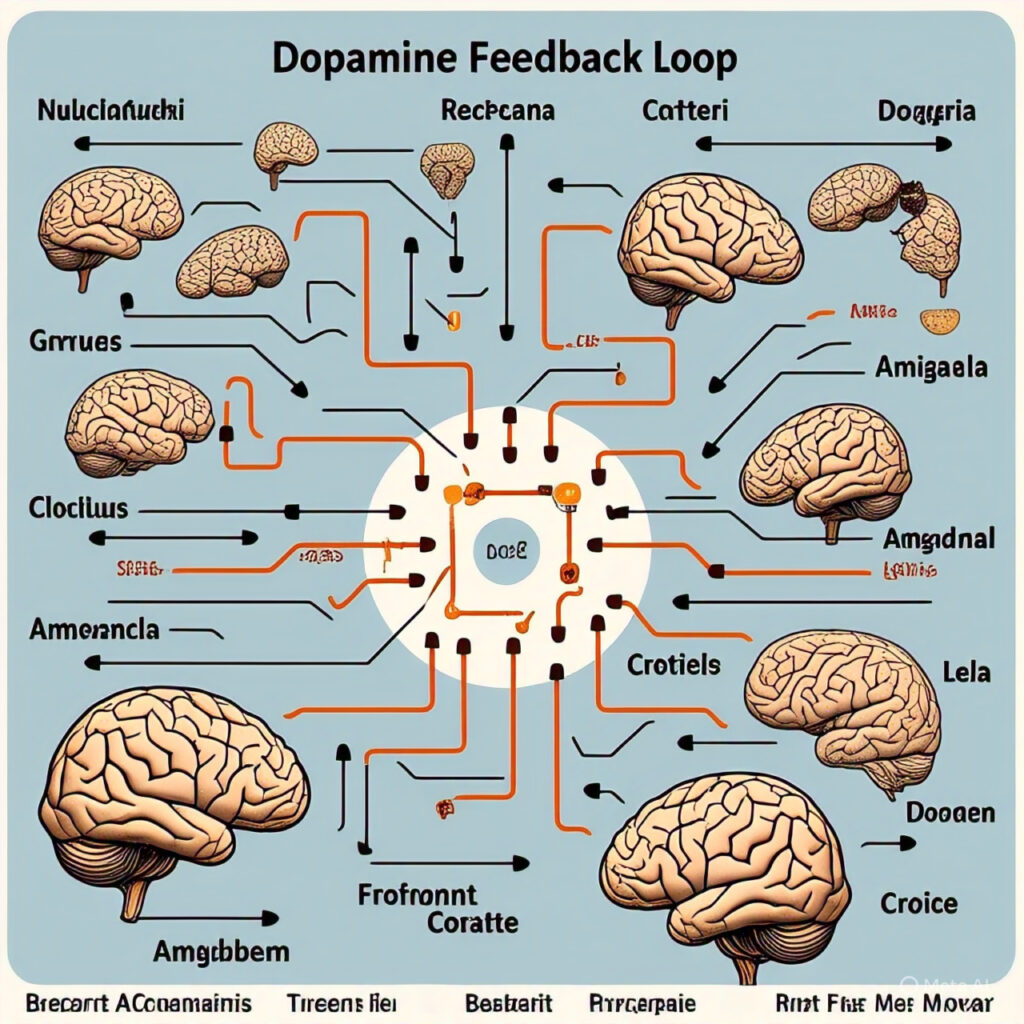
Is Brain Rot Reversible? Good News: YES!🧪
Before you panic — there’s hope! 🌟
Brain rot is NOT permanent.
According to top experts like Dr. Susan Lotkowski and Dr. Parikh, your brain can heal through simple (but consistent) habits.
Here’s how to reset your brain from digital fatigue:
1. Digital Detox🛑
-
Start with 30 minutes offline daily.
-
Gradually stretch to full weekends offline.
-
Switch off unnecessary notifications (yes, even WhatsApp pings! 📵).
2. Re-train Your Attention
-
Read a real book for 20 uninterrupted minutes.
-
Meditate daily — even 5 minutes can work wonders.
-
Journal your thoughts without music or phone distractions.
3. Consume Mindfully📚
-
Follow quality creators (educators, artists, storytellers).
-
Watch long-form content like documentaries instead of just TikTok snippets.
4. Nature Therapy🌿
-
Walk in a park. 🌳
-
Hike a trail. 🥾
-
Sit by a tree.
Real-world green spaces literally restore your brain’s focus.
5. Prioritize Sleep😴
-
Screens OFF 1–2 hours before bed.
-
Let your brain process and recover naturally overnight.

Pros and Cons of Digital Consumption
| Pros | Cons |
|---|---|
| Stay connected with friends and family | Risk of brain rot and cognitive fatigue |
| Easy access to information | Reduced attention span |
| Quick entertainment | Decreased memory retention |
| Opportunities to learn | Increased anxiety and stress |
❓ FAQs
✅ Q1: What is brain rot exactly?
Brain rot refers to mental fatigue and reduced cognitive performance due to excessive shallow digital consumption.
✅ Q2: Can brain rot cause permanent damage?
No, but prolonged habits can seriously weaken your focus and memory.
✅ Q3: How do I know if I have brain rot?
Symptoms like mental fog, short attention span, restlessness, and memory lapses are indicators.
✅ Q4: Is watching YouTube Shorts bad for my brain?
Not inherently, but binge-watching endlessly can overload your brain.
✅ Q5: What content is better for brain health?
Long-form, deep, meaningful content like books, podcasts, and documentaries.
✅ Q6: Does meditation help cure brain rot?
Yes! Meditation retrains your brain to focus deeply.
✅ Q7: How long should I spend on screens daily?
Experts suggest limiting leisure screen time to under 2 hours a day.
✅ Q8: Can kids get brain rot?
Yes, and they’re even more vulnerable due to developing brains.
✅ Q9: Are dopamine loops real?
Yes. Social media apps are designed to trigger them to keep you engaged.
✅ Q10: How does brain rot affect emotions?
You might feel emotionally numb, detached, or indifferent over time.
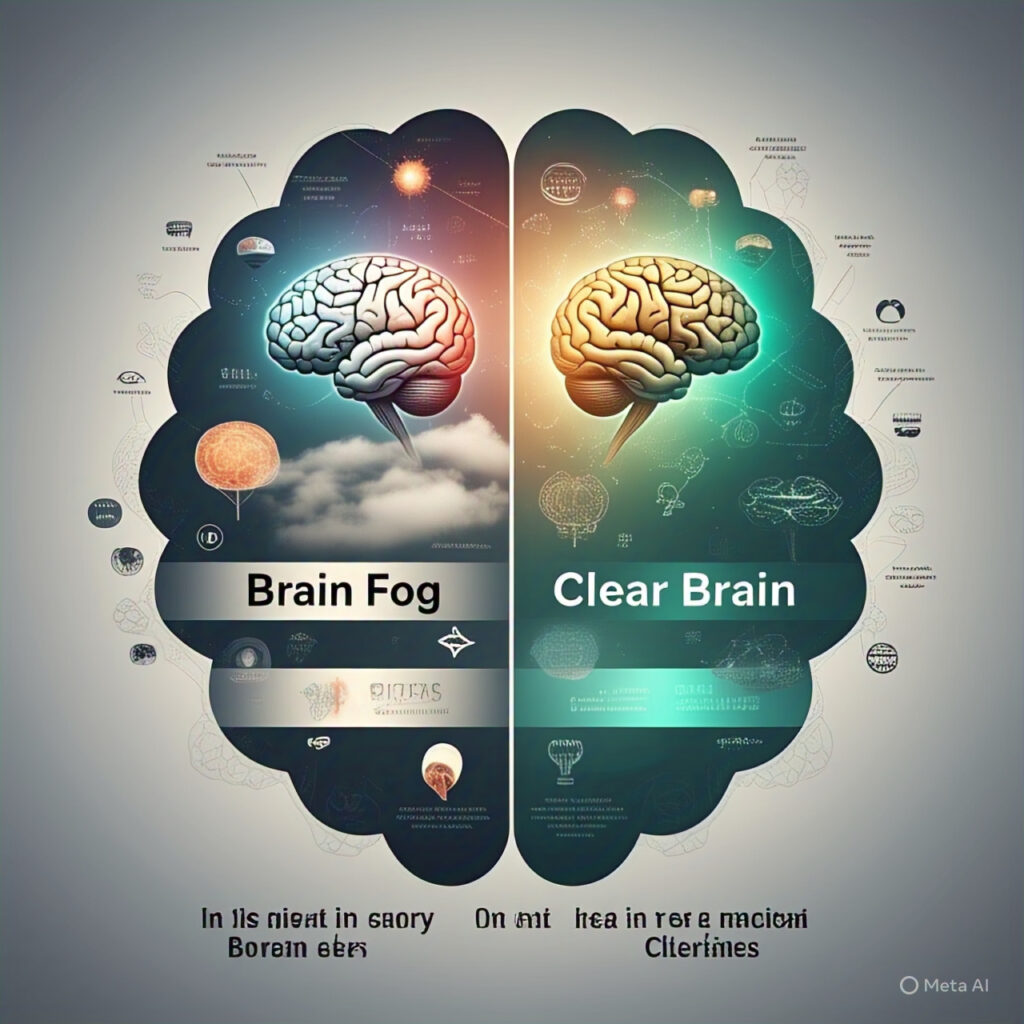
🧠 Conclusion: Give Your Brain The Rest It Deserves
In today’s hyper-digital world, knowing when to switch off is an act of true strength. 🦸♀️
Your brain wasn’t designed to handle endless flashing images, clickbait headlines, or constant pings.
It craves stillness, deep focus, real conversations, and natural beauty.
By being mindful about your digital consumption, you can rebuild your attention span, restore your memory, and reclaim your inner peace.
🌟 Slow down. Log off. Breathe.
Sometimes the smartest thing you can do is nothing at all.
Friend, your brain wasn’t built for endless scrolling. 💖
It craves depth, slowness, real connection — things that nourish it deeply.
Take charge today. Choose mindful moments over mindless scrolls. Your brain (and your future self) will thank you.
✨ Slow down. Log off. Let your mind breathe. ✨
CTA: For more health, wellness, and real-world advice, keep following Bhussan.com ✨