
7 Key Updates on COVID-19 Cases in Karnataka and Tamil Nadu You Must Know in 2025
Overview:
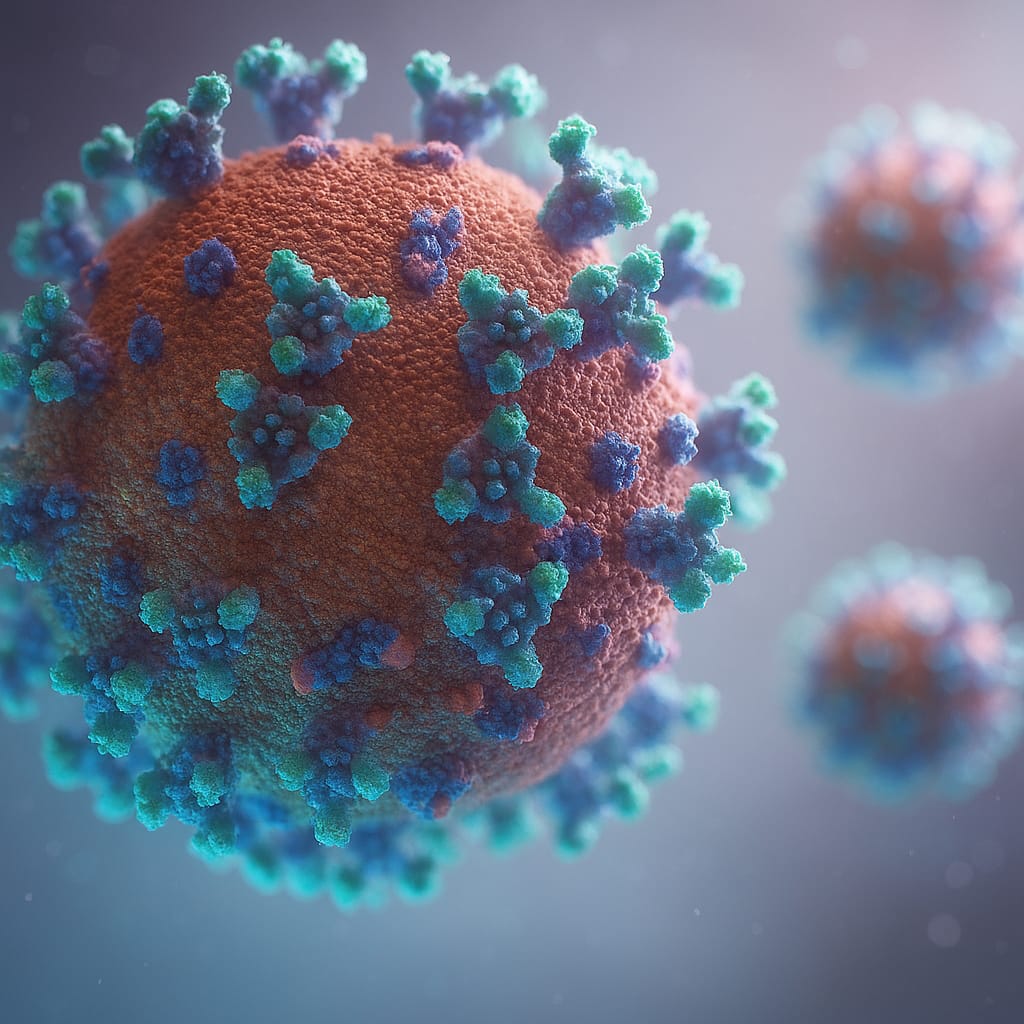
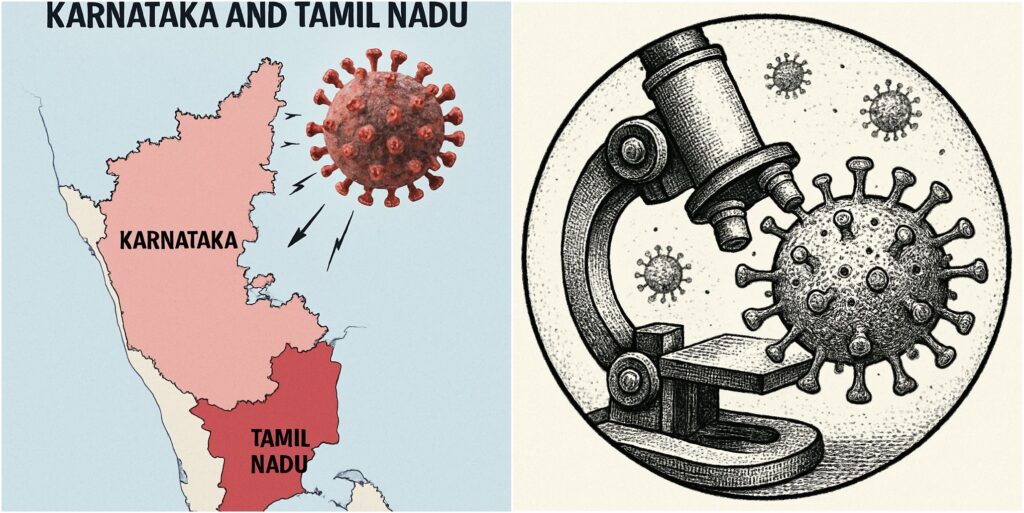
After analyzing everything across the internet and gathering real-world insights, the Bhussan.com team shares this friendly, helpful article about covid-19 cases in Karnataka and Tamil Nadu. India is witnessing a modest but notable resurgence of COVID-19 cases, particularly in the southern states of Karnataka and Tamil Nadu. While the overall case numbers remain low compared to previous waves, health authorities are closely monitoring developments, driven by concerns over the spread of the Omicron subvariant JN.1, which has also led to surges in Southeast Asia.
Current COVID-19 Case Scenario in Karnataka and Tamil Nadu:
-
Nationwide: As of mid-May 2025, India has reported a total of 257 active COVID-19 cases. Though this figure is relatively low, the uptick has raised concern due to its timing and geographical pattern.
-
Karnataka:
-
The state has recorded 16 active COVID-19 cases.
-
Health Minister Dinesh Gundu Rao assured the public that the situation is under control.
-
Officials emphasize that hospitalizations have not increased, and most cases are either mild or asymptomatic.
-
-
Tamil Nadu (Chennai Focus):
-
Chennai alone has seen a rise to 40 active cases.
-
While initial fevers were primarily caused by influenza viruses A and B, an increasing number are now being attributed to COVID-19.
-
The shift has led health authorities to advise renewed precautions, especially in crowded public areas.
-
Regional Case Updates Around COVID-19 Cases in Karnataka and Tamil Nadu:
-
Kerala has logged 69 new cases since May 12.
-
Maharashtra has reported 44 new cases in the same period.
-
Other states like Gujarat, Delhi, Haryana, Rajasthan, and Sikkim are witnessing sporadic, low single-digit case increases.
For national COVID-19 data updates, refer to the official site: Ministry of Health and Family Welfare – COVID-19 Dashboard 🔗
What is the JN.1 Variant and Why is It Relevant to COVID-19 Cases in Karnataka and Tamil Nadu?
-
The JN.1 variant is a sublineage of the Omicron family and is being closely watched by global health experts.
-
It has driven a significant surge in countries like Singapore and Hong Kong.
-
Preliminary data indicates that while JN.1 may spread more efficiently, it does not currently show signs of causing more severe illness than earlier Omicron strains.
Public Health Response to COVID-19 Cases in Karnataka and Tamil Nadu:
-
The Ministry of Health and Family Welfare (MoHFW) has directed states to maintain adequate surveillance, especially at international airports.
-
Thermal scanning, testing protocols, and contact tracing are being reintroduced in sensitive zones.
-
States are urged to keep isolation beds and oxygen supply infrastructure ready.
Precautions and Recommendations for COVID-19 Cases in Karnataka and Tamil Nadu:
-
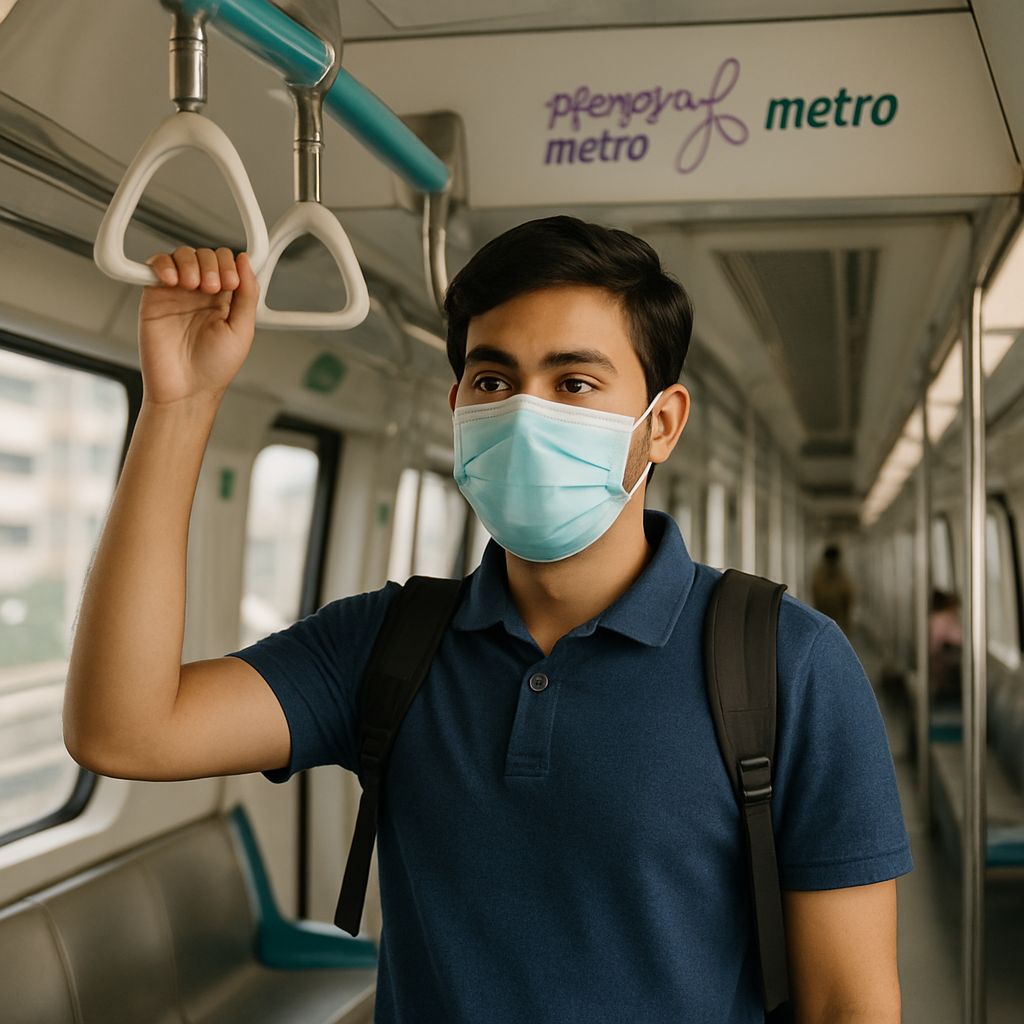
Continue wearing masks in enclosed and crowded public places.
-
Maintain hand hygiene and respiratory etiquette.
-
Get vaccinated, including booster doses if eligible.
-
Vulnerable populations such as senior citizens and those with co-morbidities are advised to avoid non-essential travel.
-
Use telemedicine services where possible.
Expert Opinions on COVID-19 Cases in Karnataka and Tamil Nadu:
Dr. Anita Ramesh, a virologist based in Chennai, noted, “This rise is not unexpected. Respiratory viruses often show a seasonal pattern. However, early detection and transparent reporting are crucial to prevent escalation.”
Epidemiologist Dr. Suresh Patankar added, “The JN.1 variant is a reminder that COVID-19 hasn’t vanished. It’s evolving. Our strategies need to evolve too—faster data sharing, quicker sequencing, and consistent community engagement.”
Pros and Cons of the Current COVID-19 Situation in Karnataka and Tamil Nadu:
| Pros 👍 | Cons 👎 |
|---|---|
| Low hospitalization rate | A variant may spread quickly |
| Authorities are on alert | Testing fatigue among the public |
| Clear communication from the states | Complacency due to mild symptoms |
| Boosters still effective | New variants may still evolve |
30+ FAQs on COVID-19 Cases in Karnataka and Tamil Nadu (2025)
-
What is the current COVID-19 situation in Karnataka and Tamil Nadu?
As of May 2025, both Karnataka and Tamil Nadu have reported a slight rise in COVID-19 cases. Karnataka has 16 active cases, and Chennai (Tamil Nadu) has 40. Health officials are on alert, although hospitalizations remain low. -
Are the rising cases in Karnataka and Tamil Nadu due to a new variant?
Yes. The JN.1 subvariant of Omicron is suspected to be responsible for the new surge in both states. It is known to be more transmissible but not necessarily more severe. -
Is JN.1 more dangerous than earlier variants?
Not currently. According to global and Indian experts, JN.1 spreads faster but doesn’t show increased severity in most cases. -
How many COVID-19 cases are there in Chennai alone?
Chennai currently has 40 active cases, with numbers fluctuating daily as per local health reports. -
Are there lockdowns or restrictions in Tamil Nadu or Karnataka?
No lockdowns are in place as of now. However, authorities are advising the public to follow basic precautions. -
Is mask-wearing mandatory in Tamil Nadu or Karnataka?
Masks are not legally mandated but are strongly recommended in crowded places and hospitals. -
What precautions should I take if I’m in Bangalore or Chennai?
Wear a mask in public, wash your hands regularly, avoid crowded gatherings, and monitor for symptoms. Get tested if you feel unwell. -
Is the vaccine still effective against JN.1?
Yes, booster doses of current COVID-19 vaccines are believed to offer protection against severe illness caused by JN.1. -
Are booster doses available in Karnataka and Tamil Nadu?
Yes. Booster doses are available at public health centers and private hospitals. Check CoWIN for scheduling. -
How do I find a vaccination center near me?
You can use the CoWIN portal (https://www.cowin.gov.in/) or the Aarogya Setu app to locate a nearby vaccination center. -
Are children being affected by the new COVID-19 cases?
Most new cases are adults. No alarming rise in pediatric cases has been reported as of now. -
Are COVID-19 symptoms different this time?
Not significantly. Common symptoms include mild fever, sore throat, cough, fatigue, and occasionally, loss of taste or smell. -
How can I get tested for COVID-19 in Karnataka or Tamil Nadu?
You can visit government-approved centers, hospitals, or use home test kits. States have also deployed mobile testing vans. -
Are testing centers still operational in Karnataka and Tamil Nadu?
Yes, especially in metro cities like Bangalore and Chennai. Testing has been ramped up due to the recent rise. -
Is COVID-19 still a notifiable disease?
Yes. Healthcare providers must report positive cases to public health authorities for tracking and containment. -
Can I travel to Karnataka or Tamil Nadu right now?
Yes, travel is open. No COVID-19-related travel restrictions are currently in place. -
Do I need a COVID-negative test to fly to Tamil Nadu or Karnataka?
As of now, domestic travelers are not required to show COVID-negative certificates. International travelers may be screened based on risk zones. -
How can I stay updated on COVID-19 cases in these states?
Follow official sources like the Ministry of Health and Family Welfare (https://www.mohfw.gov.in/) or your state’s health department. -
Has the JN.1 variant been confirmed in Karnataka or Tamil Nadu?
Yes, genome sequencing has confirmed the presence of JN.1 in several samples across both states. -
What is the recovery rate in Karnataka and Tamil Nadu?
The recovery rate remains high, with most cases recovering at home within 7–10 days. -
Are schools or colleges affected by the recent rise?
No closures reported. Schools and colleges are functioning normally with precautionary guidelines in place. -
What’s the government doing about the COVID-19 rise?
Authorities are increasing testing, improving surveillance, and encouraging vaccinations and masking in high-risk zones. -
How can senior citizens stay safe during this wave?
Avoid crowded places, get booster doses, and consult doctors at the earliest sign of symptoms. -
Are oxygen and hospital beds being prepared again?
Yes. Government hospitals have been instructed to maintain readiness, but no resource shortage has been reported. -
Can I use telemedicine in Karnataka or Tamil Nadu for COVID care?
Absolutely. Platforms like Practo, Apollo 24/7, and state-run portals offer teleconsultation services. -
Is it safe to attend weddings or events in South India now?
Yes, but proceed with caution. If elderly or unvaccinated individuals are attending, ensure proper ventilation and masking. -
How can I boost my immunity during this COVID-19 spike?
Eat a balanced diet, exercise, sleep well, and take prescribed supplements if advised by a doctor. -
Can I still get long COVID from this new variant?
Yes, long COVID is a risk with any variant, even mild cases. Monitor health post-recovery. -
How soon after COVID exposure should I get tested?
Ideally 3–5 days after exposure or immediately if symptoms appear. -
What do I do if I test positive for COVID-19 in Karnataka or Tamil Nadu?
Isolate yourself, monitor symptoms, inform contacts, and follow local health guidelines. Most cases recover at home. -
Are rapid antigen tests accurate for JN.1 detection?
Rapid tests are less accurate than RT-PCRs but still useful for screening. Confirmatory PCR tests are preferred. -
Is the government issuing daily COVID bulletins again?
Yes, many districts have resumed daily or weekly updates via their health department websites or local media. -
How can I report a suspected COVID-19 case?
You can call the state helpline (Karnataka: 104, Tamil Nadu: 1075) or visit the nearest primary health center. -
Is herd immunity still relevant in 2025?
Herd immunity remains important, especially with vaccines and natural infections contributing to overall protection. -
Will there be another wave in India?
Experts say it’s too early to predict a full wave, but localized spikes like in Karnataka and Tamil Nadu should not be ignored. -
Can COVID-19 be confused with the flu or dengue?
Yes. Initial symptoms overlap with seasonal flu and dengue, so testing is essential for accurate diagnosis.
Conclusion: COVID-19 Cases in Karnataka and Tamil Nadu – What You Should Remember
While the current numbers do not indicate an imminent health crisis, the Indian government and regional health departments are not taking any chances. The focus is on early identification, localized containment, and reinforcing public health practices. The resurgence, though mild, is a timely reminder of the dynamic nature of pandemics and the importance of continued vigilance.
Stay informed. Stay safe. ✨
✅ Interactive Actions:
-
Track regional COVID-19 updates
-
Locate the nearest vaccination center
-
Download updated COVID-19 safety guidelines
-
Subscribe to health alerts from MoHFW