
🎯 Introduction: Can Old Tactics Win New Wars?
Export Controls China — a phrase that now dominates headlines, policy papers, and geopolitical strategy debates. But here’s the million-dollar question: can this old Cold War tactic actually hold up against a high-tech, fast-moving rival like the People’s Republic of China?
🤔 Is this something you want to search the entire internet for, analyze deeply, and separate fact from fiction?
After analyzing information from across the internet and gathering real-world insights, the Bhussan.com team shares this friendly, in-depth article to unpack the reality behind modern export controls and their effectiveness in China.
The Roots of Export Controls: What Were They Meant to Do?🏛️
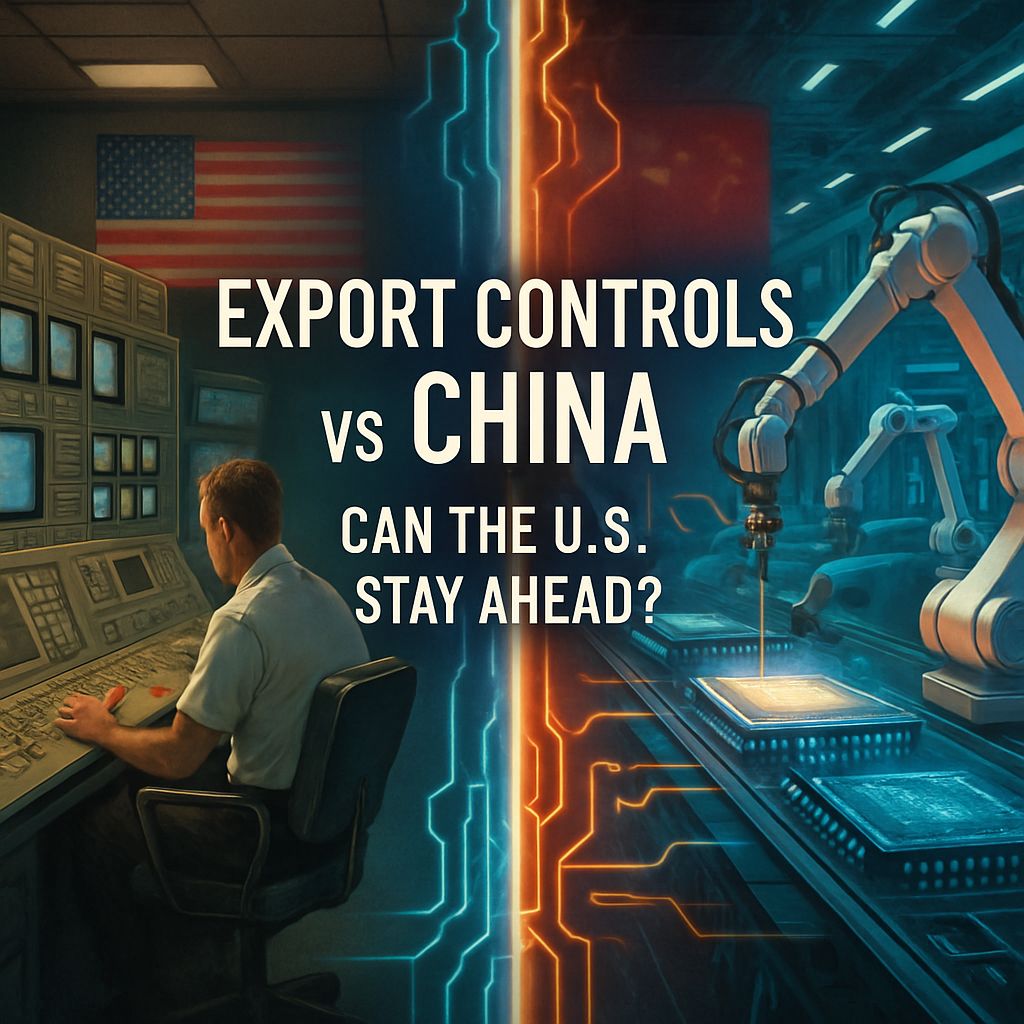
In 1949, when the U.S. passed the Export Control Act, the goals were clear:
-
🛡️ Protect national security
-
🌐 Promote foreign policy
-
📦 Manage short supply
Over the years, this evolved, especially during the Cold War. Nobel laureate Thomas Schelling described them as a form of economic warfare—a way to weaken an adversary’s military capability, even at some cost to ourselves.
The focus shifted from wartime restrictions to peacetime strategy:
-
Control military-use tech
-
Limit dual-use exports (civilian with military potential)
-
Block access to strategic goods
But here’s the kicker—export controls were always more strategic than economic.
🇷🇺 Cold War Lessons: Did Export Controls Beat the Soviets?
Let’s rewind ⏪ to the Cold War. Analysts and agencies like the CIA believed export controls helped, but only marginally.
👉 Did they stop the USSR? Not really. The USSR’s own inefficiencies played a bigger role in its collapse.
Here’s what history tells us:
-
The Soviets often found workarounds.
-
They lacked tech absorption capacity (4,000 Xerox machines bought, most unused! 😱).
-
Even with tech, the bureaucratic mess slowed innovation.
But there were exceptions:
-
🛠️ Toshiba-Kongsberg scandal (quieter sub propellers)
-
🕵️♂️ CoCom breaches exposed weaknesses in enforcement
So while export controls annoyed the Soviets, they didn’t crush them.
🇨🇳 Enter China: A New Adversary, A New Tech Landscape
Now, contrast that with China:
-
Hyper-efficient production cycles
-
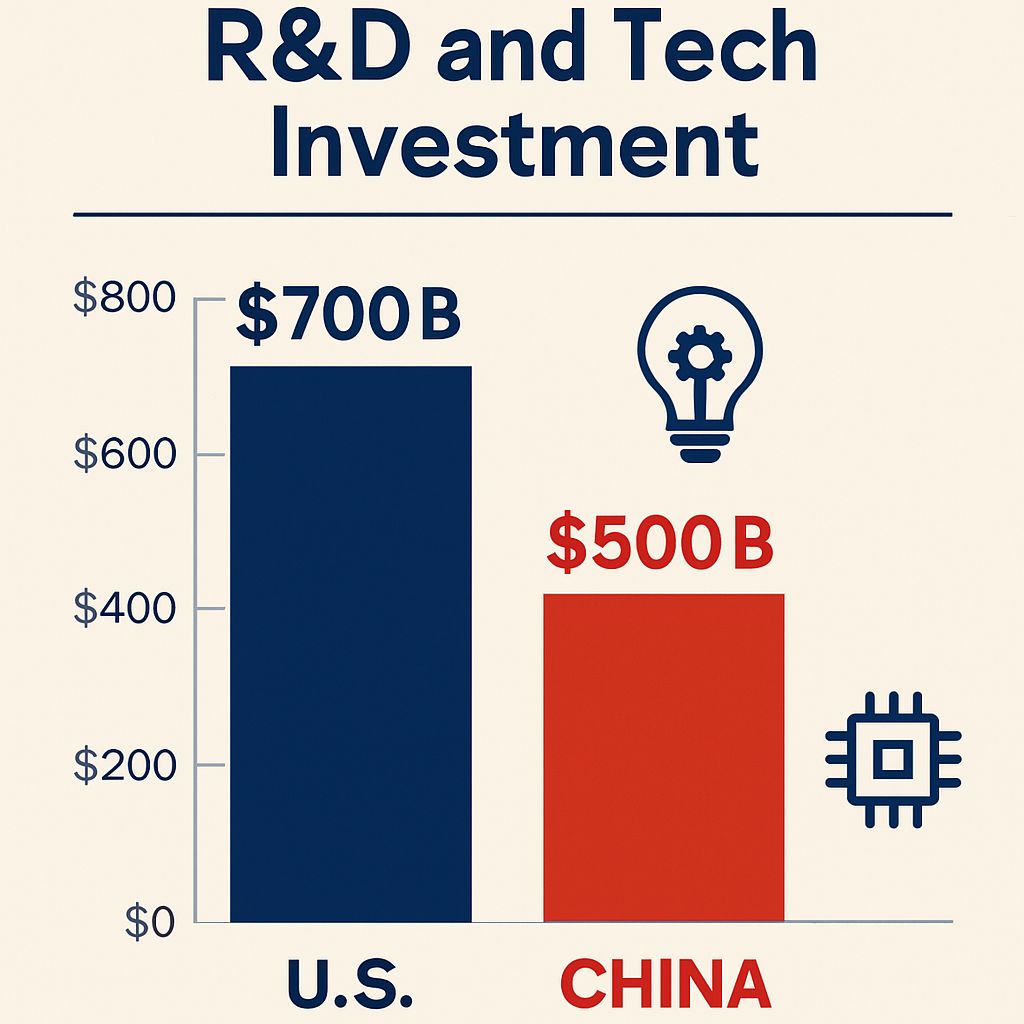
Aggressive R&D spending (over $400B+ in 2023)
-
National strategies like “Made in China 2025”
-
Deep industrial base and global supply chains
So, can the Cold War playbook apply to China?
Not without updates. Export controls used on China must be data-driven, multilateral, and adaptively enforced.
Example: U.S. satellite export controls in 1999 backfired, giving Europe a boost while U.S. market share plummeted.
👉 So yes, controls can hurt us too.
🔍 The Problem with Measuring Success
Here’s a hard truth: We rarely measure export control results.
As Schelling warned, these policies cut both ways—hurting both adversary and implementer.
Takeaways:
-
U.S. needs economic-impact models
-
Need to study China’s tech substitution capacity
-
Monitor supply chain shifts and R&D responses
Without metrics, it’s like firing blind.
Pros and Cons of Export Controls Against China
| Pros ✅ | Cons ❌ |
|---|---|
| Can delay China’s military tech | Hurts U.S. companies’ profits |
| Signals global alliances | Can backfire economically |
| Restricts dual-use innovation | Spurs’ Chinese domestic innovation |
| Strategic advantage | Hard to enforce multilaterally |
❓ 30+ FAQs: Everything You Want to Know About Export Controls China
-
What are Export Controls China?
Export controls are government regulations that restrict the export of sensitive technologies and products to protect national security and prevent adversaries from gaining advanced capabilities. -
Why is the U.S. targeting China with export controls?
The U.S. targets China to prevent the transfer of advanced technologies that could enhance China’s military power and strategic influence, safeguarding U.S. security interests. -
Are export controls effective against China?
Export controls can slow China’s access to critical technology, but they face challenges due to China’s efforts in developing alternatives and circumventing restrictions. -
How do export controls impact global supply chains?
They disrupt supply chains by limiting technology access, causing companies to shift manufacturing and sourcing strategies internationally. -
What happened in the Toshiba-Kongsberg scandal?
Toshiba and Kongsberg illegally sold submarine technology to the USSR in the 1980s, violating export controls and causing diplomatic tensions. -
How did export controls affect the USSR?
Export controls restricted the USSR’s access to Western technology, contributing to military and technological disadvantages during the Cold War. -
What’s the Export Control Reform Act (ECRA)?
ECRA, passed in 2018, modernizes U.S. export controls to address new security threats and emerging technologies. -
What’s the difference between sanctions and Export Controls in China?
Sanctions broadly restrict trade for political reasons, while export controls specifically limit technology transfers to protect national security. -
Why do Export Controls China hurt U.S. companies, too?
They can reduce market access and increase compliance costs for U.S. firms, potentially weakening their global competitiveness. -
AreExport Controls China multilateral?
Export controls are most effective when implemented multilaterally through coordinated efforts among allies. -
What is CoCom?
CoCom was a Cold War-era alliance coordinating export controls among Western countries to restrict technology to the USSR. -
What are dual-use technologies?
Technologies with both civilian and military applications are subject to export controls to prevent misuse. -
Can China find substitutes for U.S. tech?
China is investing heavily in domestic innovation to reduce reliance on U.S. technology and develop substitutes. -
How long do export controls last?
Export controls can be temporary or indefinite, depending on security conditions and policy decisions. -
Do export controls affect AI development?
Yes, controls increasingly target AI to prevent its use in military or strategic applications by adversaries. -
What’s the role of the Commerce Department?
The Commerce Department enforces export controls, manages licensing, and monitors compliance. -
Can export controls backfire?
Yes, they may accelerate adversary innovation or harm U.S. business interests. -
How does Export Controls China respond to tech bans?
China promotes policies like “Made in China 2025” to boost domestic tech development and find alternatives. -
What is “Made in China 2025”?
A Chinese government initiative to upgrade manufacturing and reduce reliance on foreign technology. -
How do export controls affect U.S. innovation?
They protect critical tech but can also restrict collaboration and market opportunities. -
Are Export Controls China part of a trade war?
They focus on national security, though sometimes intersect with trade tensions. -
Do export controls violate WTO rules?
They are generally allowed under WTO rules if justified by national security concerns. -
What is the focus of 2018’s ECRA?
Preventing technology transfer to adversaries and protecting critical infrastructure. -
Do export controls promote human rights?
By restricting tech access to repressive regimes, they can support human rights goals. -
Can export controls reduce military risk?
Yes, by limiting adversaries’ access to advanced military technologies. -
What role does the State Department play?
It coordinates export control policies and diplomatic relations with allies. -
Are export controls effective in cyberspace?
They are evolving but challenging due to the nature of digital products. -
Is there proof that export controls work?
Historical cases show mixed effectiveness, with some successes and enforcement difficulties. -
What lessons from the Cold War apply today?
Coordinated multilateral controls and adaptability remain crucial. -
Should the U.S. cooperate more with allies?
Yes, stronger alliances improve export control effectiveness. -
How can success be measured?
By reductions in technology transfers and impacts on adversary capabilities. -
Are export controls being updated for AI?
Yes, new policies increasingly address AI and emerging tech. -
What is the current U.S. policy on semiconductors?
The U.S. restricts advanced semiconductor exports to China to maintain its technological advantage.
🧠 Final Thoughts: Adapt or Fail
Export controls aren’t obsolete—but they’re no silver bullet. The Cold War mindset alone won’t cut it against China’s innovation engine.
🎯 What’s needed?
-
Real-time data
-
Economic forecasting tools
-
Multilateral cooperation
-
Continuous impact assessments
Only then can we strike the right balance: deny China the edge, without dulling our own.
👉 If you found this insightful, explore more exclusive breakdowns only on Bhussan.com.
For further insights and updates on this topic, consider exploring the following resources: