
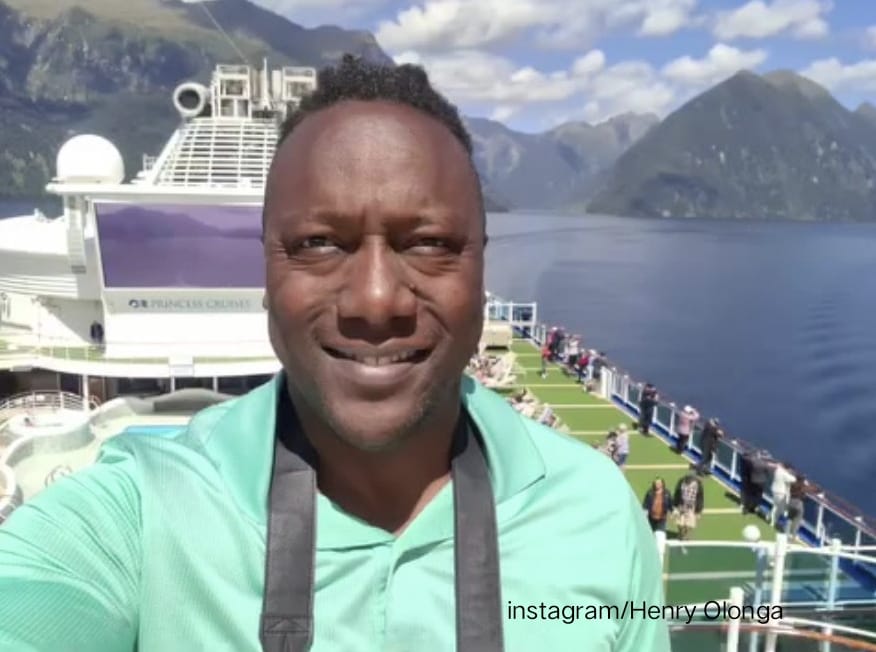
Henry Olonga Life Story: 5 Surprising Twists from Sachin’s Rival to Boat Cleaner (2025)🏏
QUICK READ
Summary is AI-generated, newsroom reviewed.
-
In 2003, Olonga protested against the Zimbabwean regime, facing death threats.
-
He lived in exile in Australia for more than 20 years, never returning home.
-
Olonga has pursued a music career, performing in various venues worldwide.
What happens when your conscience is louder than your career? Would you risk everything—your fame, your homeland, even your safety—just to make a statement?
Is this something you want to search the entire internet for, analyze it, and separate it from everyone else?
After analyzing everything across the internet and gathering real-world insights, the Bhussan.com team shares this friendly, helpful article.
credit…JokerMusic youtube chanel
The Day Henry Olonga Faced Sachin Tendulkar⚾
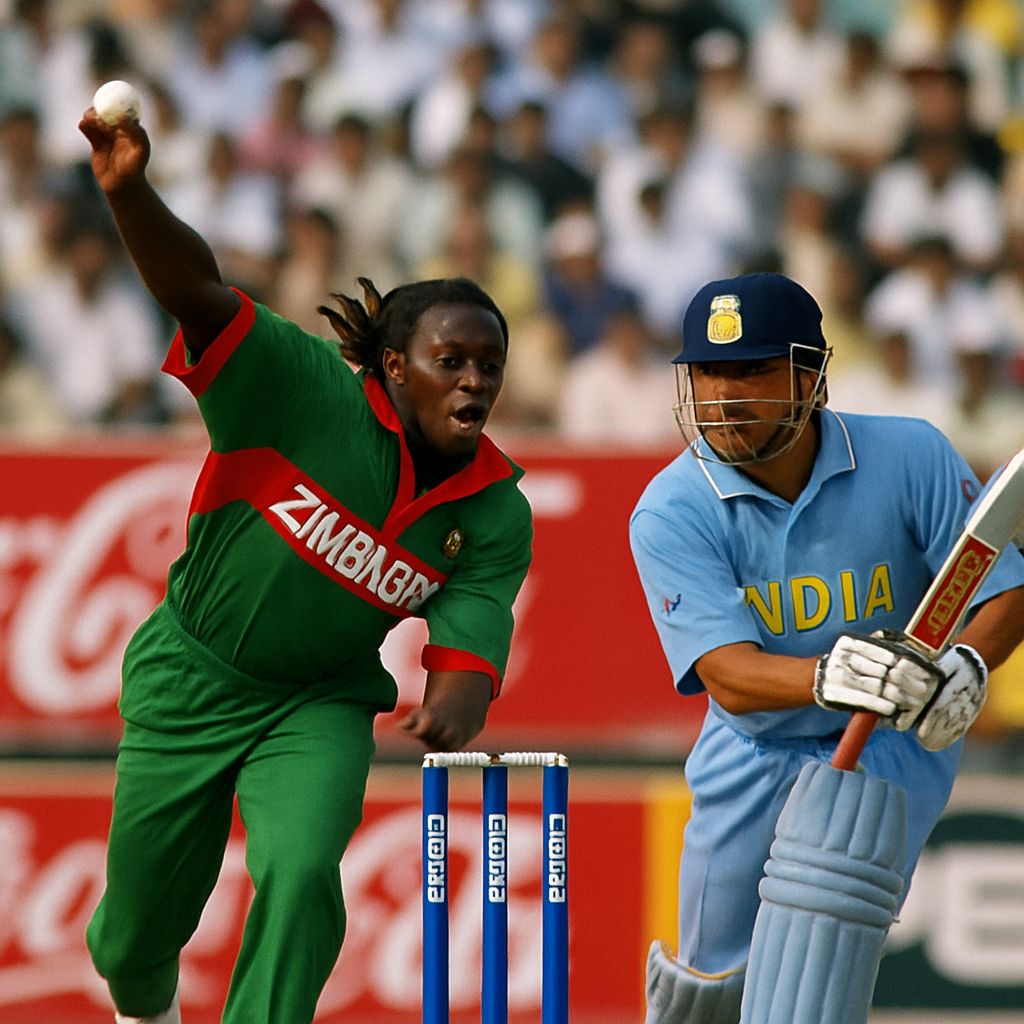
If you’re an Indian cricket fan from the 90s, chances are the name Henry Olonga instantly takes you back to Sharjah, 1998.
The Coca-Cola Cup final was unforgettable. Sachin Tendulkar, in all his glory, unleashed a cricketing storm. An unbeaten 124 off 92 balls, smashing Olonga’s deliveries across the ground. Olonga gave away 50 runs in 6 overs. Ouch, right?
But here’s the thing: That match wasn’t the end of Henry Olonga life story. In fact, it was just the beginning of a rollercoaster life few could ever imagine.
A Black Armband That Changed His Life Forever🚫
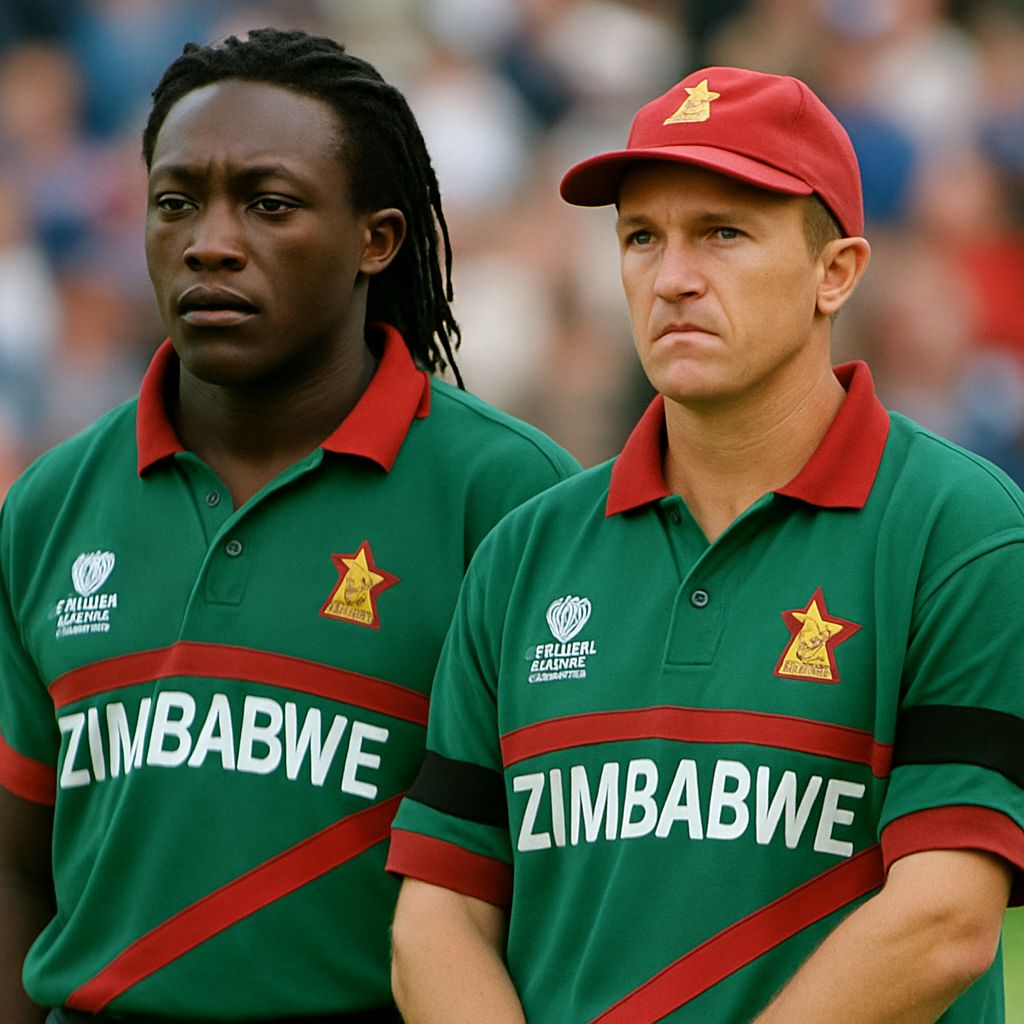
Fast forward to 2003. Olonga and his teammate Andy Flower took a bold stand during the Cricket World Cup. They wore black armbands in protest of the “death of democracy” in Zimbabwe under Robert Mugabe’s rule.
It was powerful. But it was also dangerous.
Consequences?
-
Immediate backlash
-
Death threats
-
Forced exile
-
An abrupt end to his cricketing career
From national hero to political outcast—the Henry Olonga life story took a shocking turn.
🎺 From Bowler to Ballads: The Musician in Exile
After fleeing Zimbabwe, Olonga found refuge in Australia. With cricket behind him, he turned to his first love: music.
He recorded soul-touching tracks about Zimbabwe, exile, and identity.
🎶 Lyrics from one of his songs:
“Though I may go to distant borders, my soul will yearn for this, my home…”
He even made it to The Voice Australia in 2019!
But don’t get it twisted. It hasn’t been all roses. Fame was fleeting, and money? Even more so. Still, music became a chapter in the evolving Henry Olonga life story.
🚣 Cruise Ships, Boat Cleaning & Humility
Today, Henry Olonga lives in Adelaide, Australia. He performs where he can:
-
Cruise ships
-
Retirement villages
-
School events
-
Small-town bars
And when music doesn’t pay the bills?
He cleans boats.
Sounds tragic? Not for Olonga.
“I don’t mind that. I don’t have an ego about my music. I just love singing. I love performing.”
He’s also done motivational speaking and after-dinner talks. His life now? Predictable. Quiet. Honest. A surprising yet inspiring twist in the Henry Olonga life story.
🇿🇼 A Heart That Never Left Zimbabwe
He hasn’t been back to Zimbabwe since 2003.
His father, now in his 80s, still lives in Bulawayo. They haven’t seen each other in over 20 years.
“It’s in the too-hard basket. I’ve started a new life. I think like a Westerner now.”
Even after Mugabe’s death in 2019, there was no homecoming.
Henry Olonga’s life story remains torn—between two continents, two worlds.
Pros and Cons of Henry Olonga’s Journey
| Pros | Cons |
|---|---|
| Courage to stand for truth | Lost cricket career |
| Musical talent and passion | Exiled from homeland |
| Found a new life in Australia | Financial instability |
| Inspirational figure | Family separation |
❓ FAQs About Henry Olonga Life Story (30+)
1. Who is Henry Olonga?
Henry Olonga is a former Zimbabwean cricketer and political activist. He became Zimbabwe’s first Black international cricketer and is known for his fierce bowling and his bold political stand during the 2003 World Cup.
2. What happened to Henry Olonga after cricket?
After protesting against the Mugabe regime, Olonga was forced into exile. His cricket career ended abruptly, and he began a new chapter in Australia, exploring music, public speaking, and other jobs.
3. Why did Henry Olonga wear a black armband?
Olonga wore a black armband during the 2003 World Cup to protest the “death of democracy” in Zimbabwe under President Robert Mugabe’s oppressive rule.
4. What did Henry Olonga protest against?
He protested against human rights abuses, electoral fraud, and the overall political oppression in Zimbabwe during Robert Mugabe’s leadership.
5. Where is Henry Olonga now?
He currently lives in Adelaide, Australia, where he leads a modest life performing music, doing public speaking, and occasionally cleaning boats to make a living.
6. Did Henry Olonga appear on The Voice?
Yes, he participated in The Voice Australia in 2019 and impressed judges and viewers with his emotional singing and compelling backstory.
7. Is Henry Olonga still a singer?
Yes, he continues to sing and performs regularly at events like school functions, cruise ships, and retirement villages. He also uploads his music on YouTube.
8. What jobs has he done after cricket?
-
Singing on cruise ships
-
Motivational speaking
-
Cleaning boats
-
Small-scale gigs at schools and bars
-
Online music content creation
9. Did Olonga ever return to Zimbabwe?
No. Despite Mugabe’s fall in 2017 and his death in 2019, Olonga has not returned to Zimbabwe. He says it’s “in the too-hard basket.”
10. What kind of music does he sing?
He sings inspirational, soulful, and faith-based music that often reflects his experiences with exile, identity, and longing for home.
11. How is his relationship with his family?
His relationship with his family remains distant. He has not seen his father—who still lives in Bulawayo—for over 20 years due to his exile.
12. Was he the first black Zimbabwean cricketer?
Yes, Olonga made history by becoming the first Black player to represent Zimbabwe in international cricket in 1995.
13. What inspired his protest?
His strong moral conscience, sense of justice, and Christian faith inspired him to stand against political corruption and oppression in Zimbabwe.
14. Is Olonga married?
Yes, Henry Olonga is married. He lives with his wife and family in Adelaide, Australia.
15. Does he have children?
Yes, he has children and lives a quiet family life in Australia.
16. What was his role in the Zimbabwe team?
He was a right-arm fast bowler, known for his pace and aggression, and often opened the bowling attack for Zimbabwe.
17. How many matches did he play?
Olonga played 30 One Day Internationals (ODIs) and 30 Test matches for Zimbabwe between 1995 and 2003.
18. Why did he move to Australia?
After receiving death threats for his protest, he fled Zimbabwe. He eventually settled in Australia to rebuild his life safely.
19. How does he earn money now?
He earns through a mix of:
-
Music performances
-
Public speaking engagements
-
Occasional cruise ship gigs
-
Boat cleaning and odd jobs
20. What is his message to fans?
Olonga encourages people to stand by their values, even when it’s hard. He values honesty, peace, and resilience.
21. Does he regret his protest?
He has said publicly that he does not regret his protest. While it cost him his career, it gave his life purpose and moral clarity.
22. What was his most famous match?
The 1998 Coca-Cola Cup final in Sharjah, where Sachin Tendulkar smashed 124 against him, is widely remembered—even though Olonga ended up on the losing side.
23. What kind of performances does he do now?
He performs on cruise ships, at small local venues, schools, churches, and retirement homes—singing music that’s meaningful to him and his listeners.
24. How does he feel about Zimbabwe today?
He remains emotionally connected to Zimbabwe but feels like a stranger to his homeland. He admits it’s painful to stay away but says he’s adjusted to Western life.
25. Is he active on YouTube?
Yes, Olonga has a YouTube channel where he shares his music, thoughts, and sometimes messages of encouragement and reflection.
26. How do fans view him now?
Fans admire his bravery, honesty, and ability to rebuild his life. He remains a respected figure in Zimbabwean and global cricket communities.
27. What did he say about cruise ship singing?
He acknowledged that cruise ships aren’t the peak of music careers, saying:
“Some people think singers go to die on cruise ships… but I don’t mind. I just love performing.”
28. Does he still follow cricket?
Yes, Olonga remains a cricket fan and occasionally comments on matches or players, although he’s more focused on his personal projects.
29. Has he written a book?
Yes, Henry Olonga authored an autobiography titled “Blood, Sweat and Treason”, which details his cricket journey, protest, and life in exile.
30. What is Henry Olonga’s legacy?
His legacy is one of integrity, courage, and sacrifice. He is remembered not just as a cricketer but as a symbol of moral strength and resilience.
Conclusion
The Henry Olonga life story is not just about cricket. It’s about courage, conviction, and a quiet kind of heroism. From facing down Sachin Tendulkar to cleaning boats in exile, he chose integrity over popularity.
Would you have done the same?
If this story moved you, share it. Because stories like Olonga’s deserve to be heard—not just for the cricket, but for the conscience.