
Iran-China Tech Cooperation: A Game-Changer in Global Digital Power?
Have you ever thought a country’s digital direction could shift the balance of global power? Well, let me tell you a story that’s not just intriguing—it’s real, it’s unfolding fast, and it might just change the future of the Middle East.
Is this something you’d want to search the entire internet for, analyze every corner, and separate fact from fiction? Well, you don’t have to. After analyzing everything across the internet and gathering real-world insights, the Bhussan.com team shares this friendly, helpful article on how Iran-China tech cooperation is building a powerful, self-reliant tech ecosystem—completely bypassing the West.
Let’s break it down, section by section 👇
Why Is Iran Teaming Up with China?🔍
Iran’s tech ambitions have long been held hostage by Western sanctions. But rather than wait for the West to welcome them back, Iran is rewriting the rules by turning East.
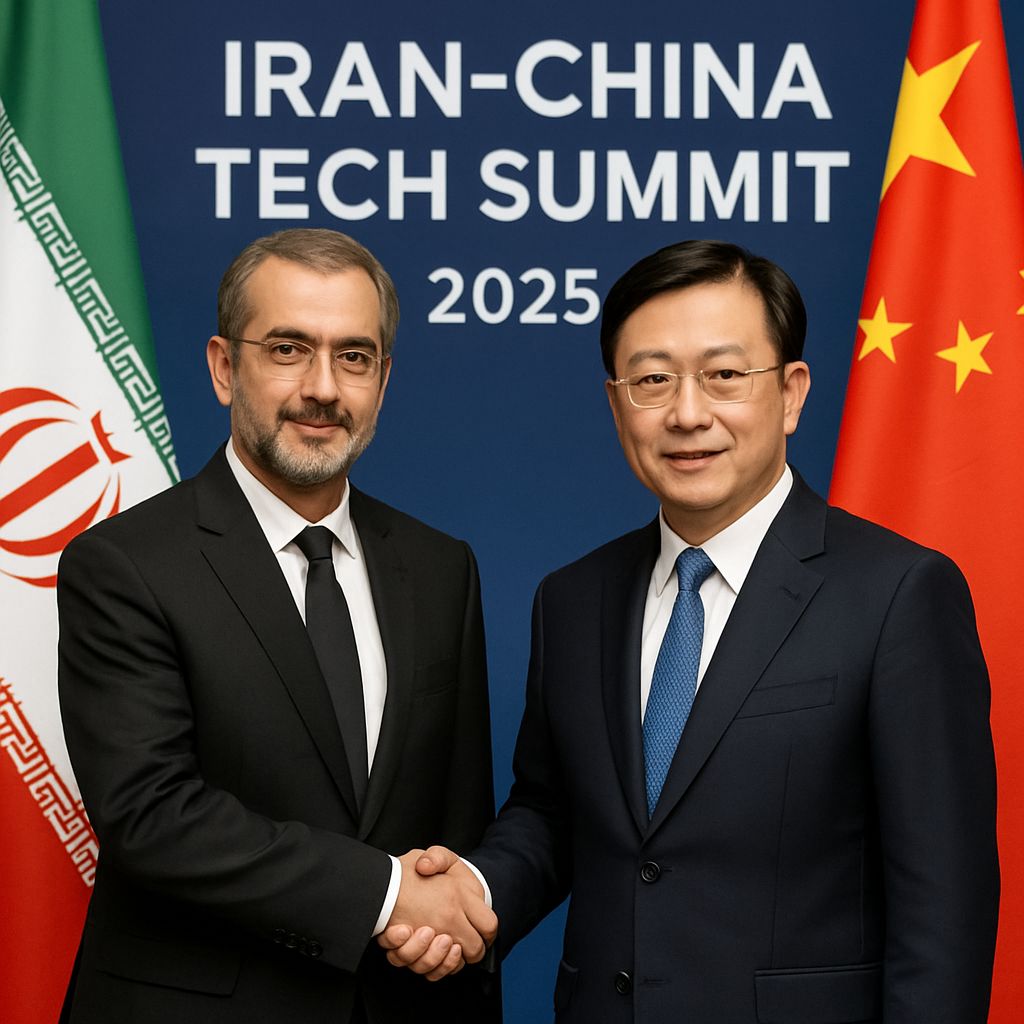
Here’s the context:
-
Years of sanctions = no access to U.S. tech giants or financial infrastructure
-
Growing isolation = need for alternate allies and platforms
-
Enter China 🇨🇳 — the world’s biggest authoritarian tech builder, with tools, networks, and know-how
This partnership isn’t just economic—it’s strategic, digital, and very deliberate.
Iran’s Minister of Communications and IT, Sattar Hashemi, recently met with China’s Ambassador to Tehran, Cong Peiwu, to lock in agreements on:
-
Artificial Intelligence 🤖
-
Digital economy 📲
-
Cybersecurity and telecommunications 🔐
-
Smart infrastructure 🏙️
China’s ambassador didn’t mince words: AI is the future of Tehran-Beijing ties.
Iran’s AI Ambitions: From Surveillance to Smart Warfare🧠
AI is sexy, no doubt. But for countries like Iran, it’s not just about self-driving cars or voice assistants.
It’s about:
-
Smart surveillance systems in urban zones
-
AI-enhanced drones and missiles
-
Predictive cyber defense and intelligence gathering
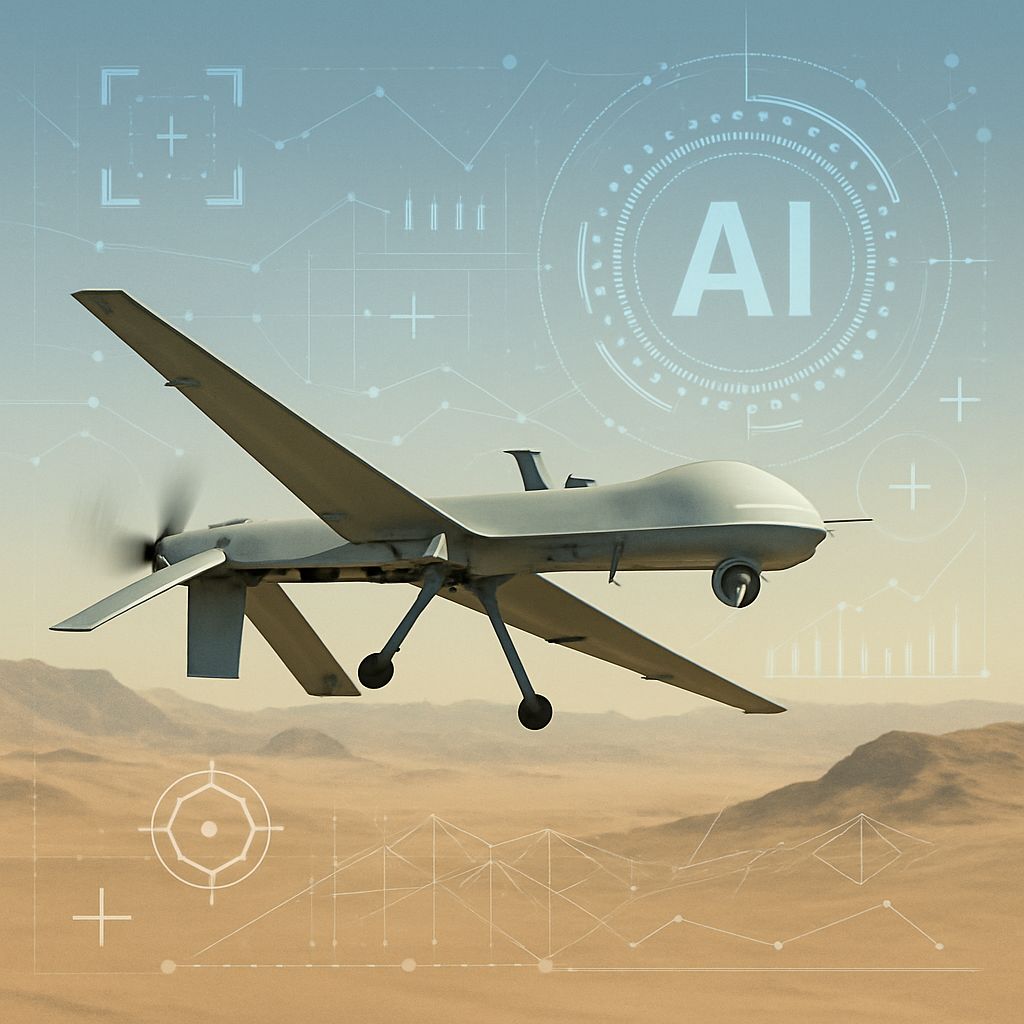
Iran is already making waves with its UAV (drone) capabilities. Now, with Chinese AI integration, those drones may soon be:
-
Autonomous
-
Smarter at evading radar
-
Capable of precision strikes using real-time AI analysis
China brings in the algorithms, hardware, and training data. Iran brings the military-industrial complex and the geopolitical theatre.
Together? They’re building a digital war machine that doesn’t need Silicon Valley’s permission.
Building the Digital Economy: Iran’s Knowledge-Based Revolution🏗️
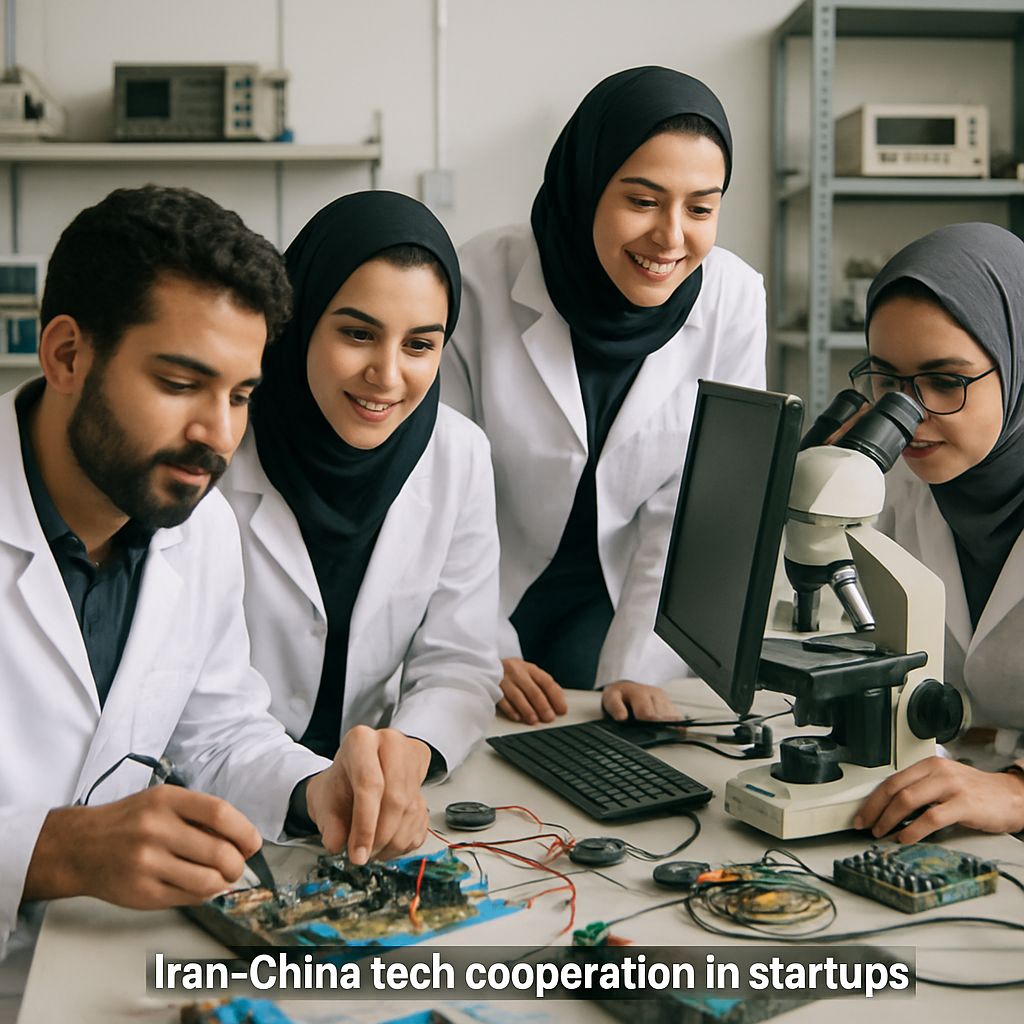
Let’s zoom in on something you might’ve missed: Iran’s push for “knowledge-based companies.”
This isn’t just a buzzword. These are real startups and semi-private firms using local brainpower to develop:
-
Biotech 🧬
-
AI modeling
-
Renewable energy tech
-
Cybersecurity software
Recently, spokesperson Fatemeh Mohajerani spotlighted how Iran’s oil and gas sector is linking with these innovative companies.
“I am proud to be an Iranian. Today, I witnessed extraordinary advancements up close… driven by young engineers.”
This oil-tech hybrid model mirrors what China did during its rise—use state cash to fund private tech ventures.
So, Iran-China tech cooperation isn’t just about importing Chinese tools. It’s also about empowering local genius.
The Bigger Picture: China’s Grand Plan (And Iran’s Role in It)🛰️
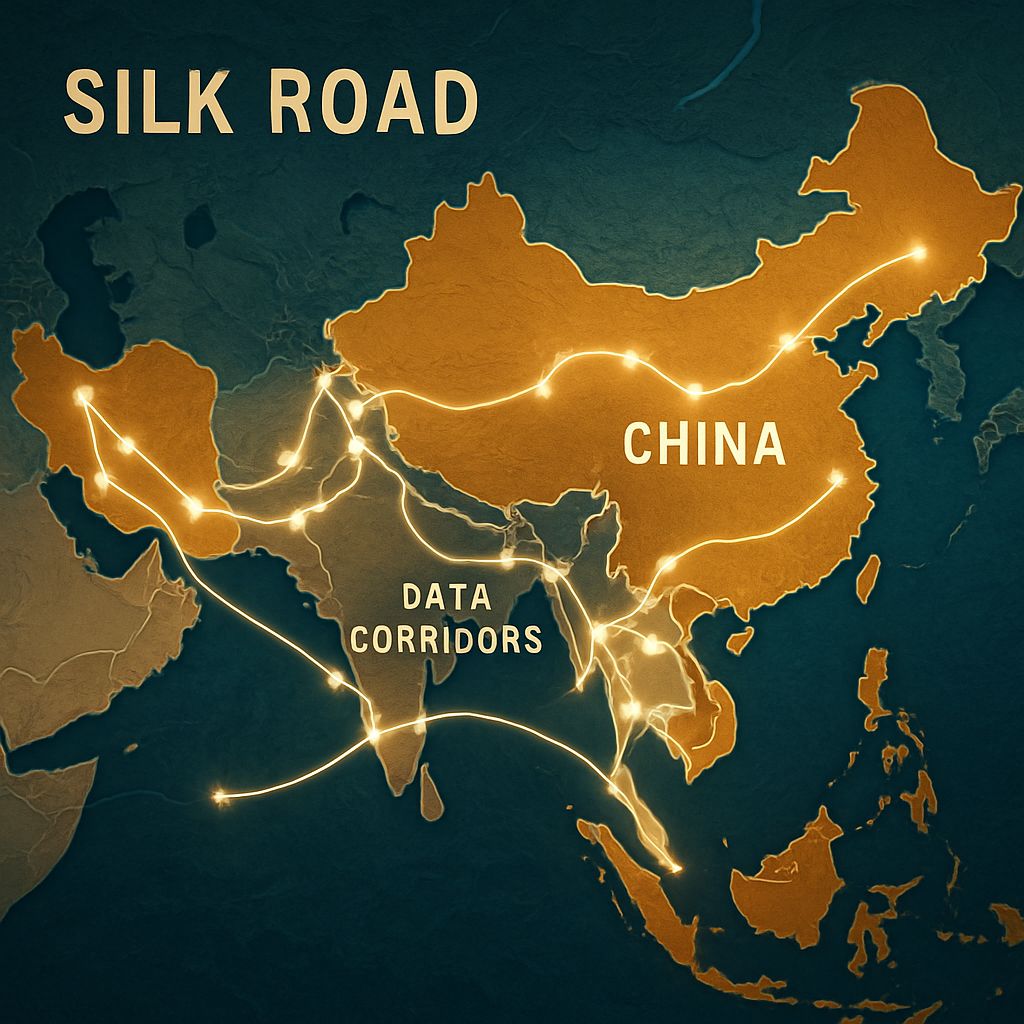
This isn’t just about Iran. It’s about China’s Digital Silk Road—a globe-spanning project to export Chinese tech, standards, and influence.
With Iran:
-
China secures energy flow from the Gulf
-
Gains a foothold near U.S. military zones
-
Helps build a regional data and defense network
Iran, in return:
-
Bypasses U.S. sanctions
-
Builds a future-proof economy
-
Gains military-tech superiority over regional rivals
Pros & Cons of Iran-China Tech Cooperation⚖️
| Pros ✅ | Cons ❌ |
|---|---|
| Sanction resistance | Risk of a surveillance state |
| Boost in AI and tech | Dependency on China |
| Digital economy growth | U.S. sanctions on Chinese partners |
| Military advancement | Privacy concerns |
30+ FAQs About Iran-China Tech Cooperation❓
- Why is Iran collaborating with China on tech?
To bypass Western sanctions and build an independent digital infrastructure. - What technologies are they working on?
AI, smart surveillance, IT infrastructure, cloud computing, and cybersecurity. - Is this cooperation military-related?
Yes, especially in AI-driven drones, missile guidance, and cyber warfare. - Are Iranian startups involved?
Yes! Iran’s “knowledge-based companies” are playing a central role. - Will this affect U.S. interests in the Middle East?
Definitely. It shifts the digital and military balance. - What is China’s goal here?
To expand its Digital Silk Road and secure tech allies. - How does AI fit in?
AI is the centerpiece, from city surveillance to defense systems. - What about privacy concerns in Iran?
Real concern—Chinese surveillance tools may erode civil liberties. - Is the Iranian public aware of this?
Somewhat, though state media promotes it positively. - What role does Huawei play?
Huawei may provide infrastructure like 5G towers and cloud platforms. - Does this partnership increase the risk of cyberattacks?
Yes, with advanced AI and surveillance capabilities, there is a risk that both China and Iran could engage in cyberattacks, particularly against Western or rival nations. - What are the potential benefits for Iran?
Iran benefits from access to advanced technology, improved military capabilities, and bypassing sanctions that hinder its access to Western tech. - How does this alliance affect global tech supply chains?
This could disrupt global tech supply chains by positioning China and Iran as alternative players in AI, telecommunications, and military technologies. - Is this an example of China’s growing tech dominance?
Absolutely. This partnership with Iran further cements China’s role as a leader in global tech, especially in AI and infrastructure-building. - Could other countries follow Iran’s lead in bypassing Western tech?
It’s possible. Countries facing similar sanctions or diplomatic isolation may look to China for technological solutions, creating a new geopolitical order. - Will this tech cooperation lead to sanctions from the West?
It’s likely. As China and Iran continue deepening ties, the U.S. and European countries may increase sanctions, particularly targeting companies involved in the collaboration. - How does Iran’s oil industry connect to this digital shift?
Iran’s oil sector is leveraging digital technologies and AI for efficiency improvements, integrating with knowledge-based companies to drive overall economic growth. - Can China’s tech help Iran become self-sufficient in the long run?
Yes, this alliance may help Iran develop a self-sufficient digital and tech economy, reducing dependency on Western countries and enabling innovation. - Are there any economic risks for Iran in this partnership?
There are risks, such as heavy dependence on Chinese technology and the potential for falling behind in certain areas if tech development does not meet expectations. - What are the ethical concerns regarding AI in this cooperation?
The use of AI for surveillance, especially in a country with limited personal freedoms, raises significant ethical concerns about human rights and privacy violations. - How is this cooperation affecting Iran’s regional relationships?
Iran’s growing ties with China are likely to strain its relationships with neighboring countries and Western powers, especially those with strong ties to the U.S. - Will Chinese AI systems be integrated into Iran’s military?
Yes, Chinese AI technology will likely enhance Iran’s military systems, including autonomous drones, missile defense, and surveillance operations. - Does this cooperation imply a long-term alliance between Iran and China?
It’s possible. Both nations have a shared interest in countering U.S. influence, and this technological partnership strengthens their bilateral ties. - How does China’s AI development compare to the U.S.?
China is closing the gap with the U.S. in AI, especially in areas like autonomous systems, smart infrastructure, and military applications. - Can Iran bypass U.S. sanctions by using Chinese tech?
Yes, this cooperation allows Iran to sidestep U.S. sanctions by using Chinese technology and infrastructure, which are not as susceptible to Western sanctions. - What are the geopolitical implications of this partnership?
This partnership shifts global power dynamics, with China positioning itself as a dominant player in both the Middle East and the global tech scene. - How does this affect the West’s global tech influence?
The West may see a diminishing influence as countries like Iran and China begin to build their own tech ecosystems, which bypass Western control. - What role does China’s Belt and Road Initiative play in this?
China’s Belt and Road Initiative facilitates the export of Chinese tech and infrastructure, strengthening alliances with countries like Iran that are isolated from the West. - Could this lead to the creation of a new tech bloc?
This cooperation could lay the groundwork for a new bloc of nations that reject Western tech dominance and embrace Chinese innovation and infrastructure. - How is this alliance impacting Iran’s innovation sector?
The alliance boosts Iran’s innovation sector by providing access to cutting-edge technologies, AI, and a growing network of knowledge-based companies.
🧾Conclusion: Is This the Future of Middle East Tech?
Iran-China tech cooperation is no longer just speculation—it’s a blueprint. Iran is building a future that’s digital, defense-ready, and powered by Chinese chips instead of American dollars.
For those watching global tech politics, this is one of the most consequential alliances in the 21st century.
So, what do you think? Is Iran’s tech independence a threat, a breakthrough, or both?
Let’s talk. Comment below, share your thoughts, or subscribe for more insights like this.
External Resource Link: For more on China’s global AI strategy, visit Brookings: China’s AI Ambitions