
🛢️ NATO’s Sanctions Warning to India Over Russian Oil: Should India Be Worried?
🤔 What If You’re Being Warned for Saving Fuel? India’s Russian Oil Dilemma Just Got Global
NATO sanctions India Russian oil — this phrase isn’t just trending in diplomatic circles, it’s becoming a central issue in global geopolitics. But what does it mean for a country like India? Why is the West suddenly issuing threats over something as essential as energy security?
Imagine this: you find cheaper fuel that keeps your country running, helps beat inflation, and supports your people. Then a global superpower knocks and says,
“Stop buying that… or we’ll make you pay.”
Sounds like a movie scene, right?
Well, that’s exactly what’s happening in real life. NATO has directly warned India, along with China and Brazil, that secondary sanctions or 100% tariffs might hit them if they continue purchasing Russian oil and gas.
💬 Is this something you want to search the entire internet for, analyze, and separate truth from noise?
After analyzing everything across the internet and gathering real-world insights, the Bhussan.com team shares this friendly, helpful article to decode this complex issue with clarity, facts, and a touch of human honesty.
Let’s dig in.
🗺️ What’s the Whole Story Behind NATO’s Sanctions Threat?
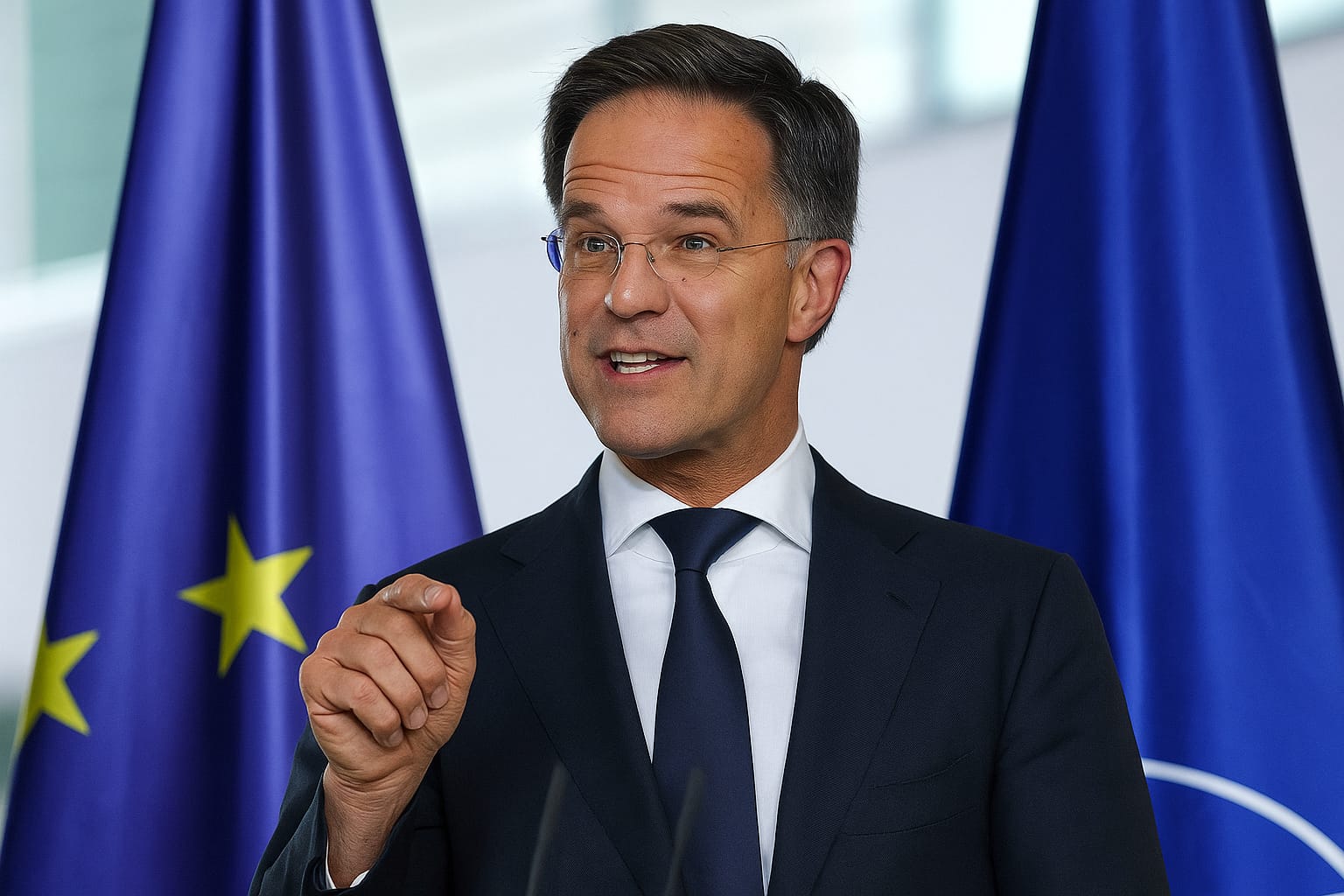
Recently, NATO Secretary-General Mark Rutte issued a sharp warning aimed at countries like India, Brazil, and China, accusing them of indirectly prolonging Russia’s war in Ukraine by continuing oil and gas trade with Moscow.
His exact words?
“If you’re in Beijing, Delhi, or Brasilia — trading with Russia comes at a cost.”
He wasn’t alone. A bipartisan group of U.S. Senators introduced a bill that would authorize up to 500% tariffs on nations buying Russian energy. Former President Trump even issued a 50-day ultimatum: Make Putin sign a peace deal or face total tariff war.
It’s not just talk anymore — the West seems ready to economically isolate not only Russia, but those who trade with Russia too.
🇮🇳 Why Is India Buying Oil from Russia Anyway?
Let’s get this straight — India didn’t suddenly choose sides in a global war. It chose discounted oil.
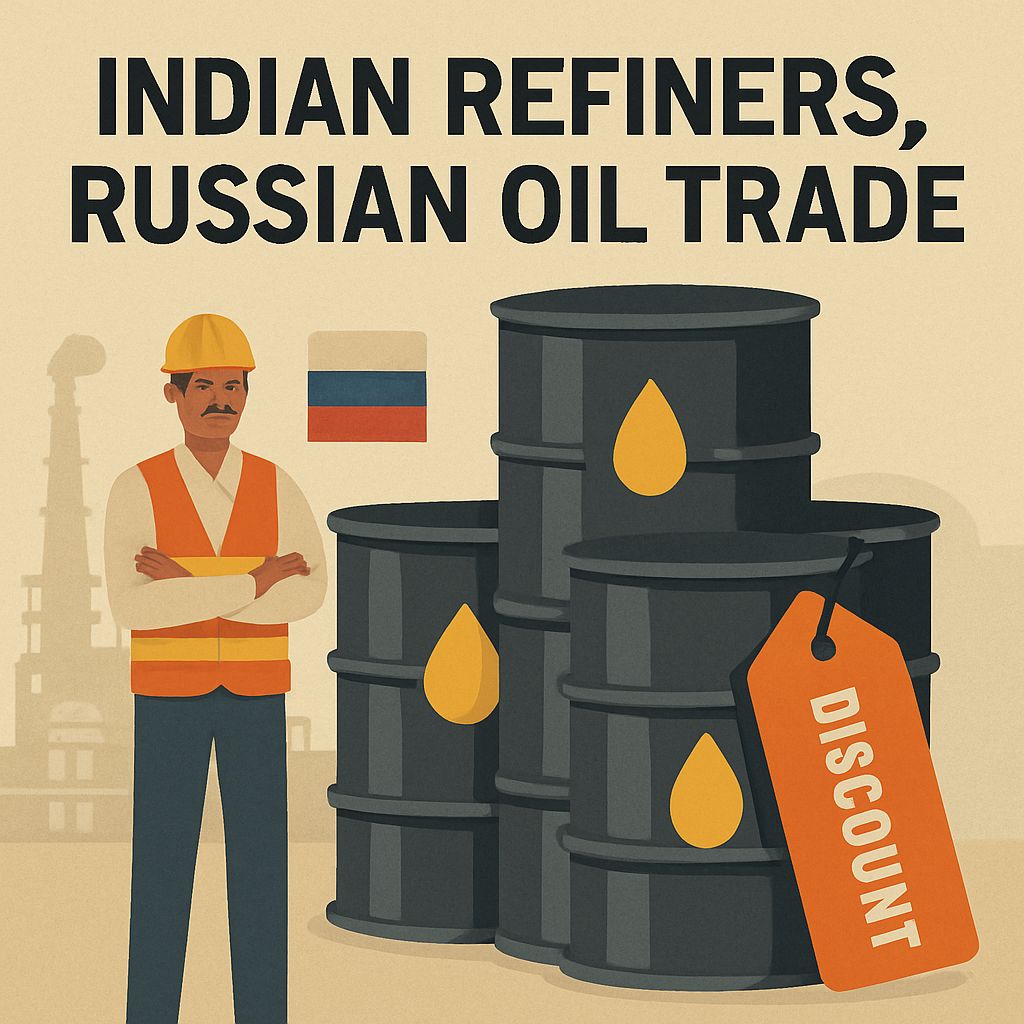
When Russia was hit with Western sanctions, it offered crude oil at massive discounts. And India, like any smart shopper, said yes, please.
Here’s why:
-
India imports over 85% of its crude oil.
-
Russian oil is $25–$30 cheaper per barrel than Brent crude.
-
India refined that oil and sold it globally — sometimes even to Europe!
So, it’s not about politics. It’s about affordability, accessibility, and national energy security.
Still, NATO doesn’t see it that way. And that’s where the drama begins.
🧨 What Are Secondary Sanctions, and How Would They Hurt India?
Secondary sanctions are economic booby traps.
You’re not the original enemy, but if you’re helping the enemy (even indirectly), you get hit too.
Here’s what India could face:
-
100% tariffs on goods that involve Russian-origin crude (even after refining)
-
Blacklisting of Indian banks, ships, and companies involved in transactions with Russian suppliers
-
Suspension of trade preferences like low-tariff exports to Europe or the US
According to Financial Express, Indian refiners could see a $6–$9 increase per barrel if sanctions go into effect.
Think of it like this: You buy something legally. But then a global watchdog says, “We don’t like that supplier. So now we’ll block your other sales, fine your banks, or even ban your cargo.”
Yikes, right?
⚖️ The Balancing Act: Sovereignty vs Pressure
India has made one thing clear:
“We will act in our national interest.”
And rightly so. No country should be forced to compromise its economy for someone else’s war. But it’s also not that simple.
Let’s look at the tightrope India is walking:
| Factor | What India Gains | What India Risks |
|---|---|---|
| Russian oil trade | Cheaper fuel, inflation control | Sanctions, diplomatic friction |
| US & NATO ties | Defense support, tech, trade | Risk of falling behind China in BRICS alignment |
| Strategic autonomy | Global respect for neutrality | Being labeled as “non-aligned” or “pro-Russia” |
India is playing a long game — independent, not indifferent. But with each barrel of Russian oil, the stakes get higher.
📊 Pros & Cons of India Continuing Russian Oil Trade
| Pros | Cons |
|---|---|
| Saves billions in oil import costs | Risks of NATO/U.S. economic retaliation |
| Supports domestic inflation control | Threatens India’s global export trade |
| Strengthens BRICS partnership | Weakens Western diplomatic trust |
| Boosts refinery exports & GDP | Complicates future G7 deals |
🔄 What Can India Do Now?
When dealing with the NATO sanctions India Russian oil scenario, India must explore realistic solutions, not fantasy diplomacy.
✅ Diversify Oil Imports
-
Increase from the US, Gulf, and Brazil
-
Already underway, but can’t match Russia’s discounts
✅ INR-Based Trade
-
Buy oil using rupees or yuan to bypass the dollar trade
-
Risky, but offers protection from SWIFT sanctions
✅ Diplomatic Carve-Outs
-
Seek exception zones or temporary waivers, like Turkey did with NATO
-
Show transparency and intent, not defiance
✅ Boost Renewables
-
Long-term: Invest more in solar, biofuels, and hydrogen
-
Still far from replacing crude oil demand
India doesn’t have to surrender or fight. It can negotiate smartly.
📌 Final Thoughts: Is This India’s Sanctions Moment or Sovereignty Statement?
To put it bluntly: India didn’t start this war. But it’s caught in its economic crossfire.
India’s response to NATO sanctions India Russian oil is what any logical economy would do — act in its national interest.
NATO’s threats are real. But so is India’s need for affordable oil. As the West draws a diplomatic line in the sand, India must choose:
-
Take a stand for sovereignty and national need
-
Or step back for short-term diplomacy
There’s no easy answer. But as always, the world’s biggest democracy will likely find its middle path — practical, peaceful, and proudly independent.
❓ 30+ FAQs on NATO Sanctions India Russian Oil
💬 General Questions
-
What are NATO sanctions on India for buying Russian oil?
→ NATO has warned that India’s continued oil trade with Russia could trigger secondary sanctions like 100% tariffs and banking restrictions. -
Is India violating any law by importing Russian oil?
→ No. India is not violating any international laws and has not agreed to NATO or EU sanctions on Russia. -
Why is NATO targeting India, not China, more aggressively?
→ India’s refined Russian crude sometimes ends up in the West, causing more direct economic impact than China’s internal consumption. -
What exactly are secondary sanctions?
→ These are penalties imposed on third-party countries (like India) for doing business with already-sanctioned entities (like Russia). -
How much oil does India buy from Russia?
→ As of mid-2025, Russia accounts for nearly 30–35% of India’s total crude oil imports.
💡 Policy & Political Impact
-
What is India’s official stance on NATO sanctions over Russian oil?
→ India says it will continue acting in its national interest and hasn’t committed to ending trade with Russia. -
Could NATO impose 100% tariffs on Indian goods?
→ Yes, such proposals are being discussed, especially in the U.S. Congress and NATO policy circles. -
What does this mean for India’s diplomacy with the West?
→ It strains ties but also tests India’s strategic autonomy and negotiation skills. -
What is the BRICS stance on NATO sanctions?
→ BRICS countries, including India, generally oppose unilateral sanctions and promote alternative trade systems. -
Could this affect India’s relations with the EU and G7 nations?
→ Yes, particularly if Indian fuel exports contain Russian-origin crude that enters Western markets.
⚙️ Economic & Trade Effects
-
How could NATO sanctions impact India’s economy?
→ It could increase oil prices, disrupt exports, and affect the rupee due to trade restrictions. -
Will Indian refiners face penalties?
→ Possibly. If refiners process Russian oil and export it to sanctioned regions, they could be blacklisted or fined. -
Could the Indian rupee be affected by these sanctions?
→ Yes, if export markets shrink or foreign investments get blocked, it could pressure the rupee. -
Will the price of fuel rise in India?
→ If Russian oil is replaced with costlier alternatives, domestic fuel prices may increase. -
Is Indian diesel being exported to Europe?
→ Yes, some refined products made from Russian crude are reaching Europe via third-party trade.
🔄 Strategic Alternatives
-
Can India stop buying Russian oil immediately?
→ Technically yes, but it would increase import costs and disrupt supply chains. -
Is India looking to diversify oil imports?
→ Yes, India is expanding purchases from the US, UAE, Iraq, and Brazil. -
Can India pay Russia in rupees or other currencies?
→ Yes, India and Russia have explored INR and AED-based transactions to bypass SWIFT. -
Is India investing in renewable energy to reduce dependency?
→ Yes, solar, hydrogen, and ethanol are seeing increased government focus. -
Has India negotiated with NATO over these warnings?
→ No formal deals yet, but backchannel diplomacy is reportedly ongoing.
🏛️ Global Reactions & Scenarios
-
What did the U.S. say about India’s oil trade with Russia?
→ Lawmakers are considering heavy tariffs on nations importing Russian oil, including India. -
Has Trump issued a 50-day ultimatum related to this?
→ Yes, he reportedly warned that if Russia doesn’t sign a peace deal, tariff penalties would follow within 50 days. -
Are these sanctions legal under international law?
→ They are legal under national laws like CAATSA (U.S.) but not under UN mandates. -
Can India be excluded from global banking systems like SWIFT?
→ It’s unlikely, but possible if tensions escalate severely. -
What would happen to Indian exports to the West?
→ If sanctions hit, key exports like fuels, chemicals, and pharmaceuticals could face tariffs or blocks.
📚 Insightful Add-ons
-
How is India justifying its oil purchases?
→ India says it’s buying oil to meet the needs of 1.4 billion people, not to support any war effort. -
Is India the only country still trading with Russia?
→ No — China, Brazil, Turkey, and many African nations also continue trade with Russia. -
What’s the global view of India’s neutral stance?
→ Mixed — some admire its independence; others call it non-committal. -
What is the benefit for Russia in selling oil to India?
→ It provides Russia with steady revenue and a loyal buyer amid Western isolation. -
Is India caught in a new Cold War scenario?
→ Arguably yes — it’s navigating a multipolar world with shifting alliances. -
Could India lead a new non-aligned movement?
→ Possibly. India’s stance could define a new model of sovereignty-first diplomacy in the 21st century.
🔗External Resources of NATO sanctions India Russian oil