
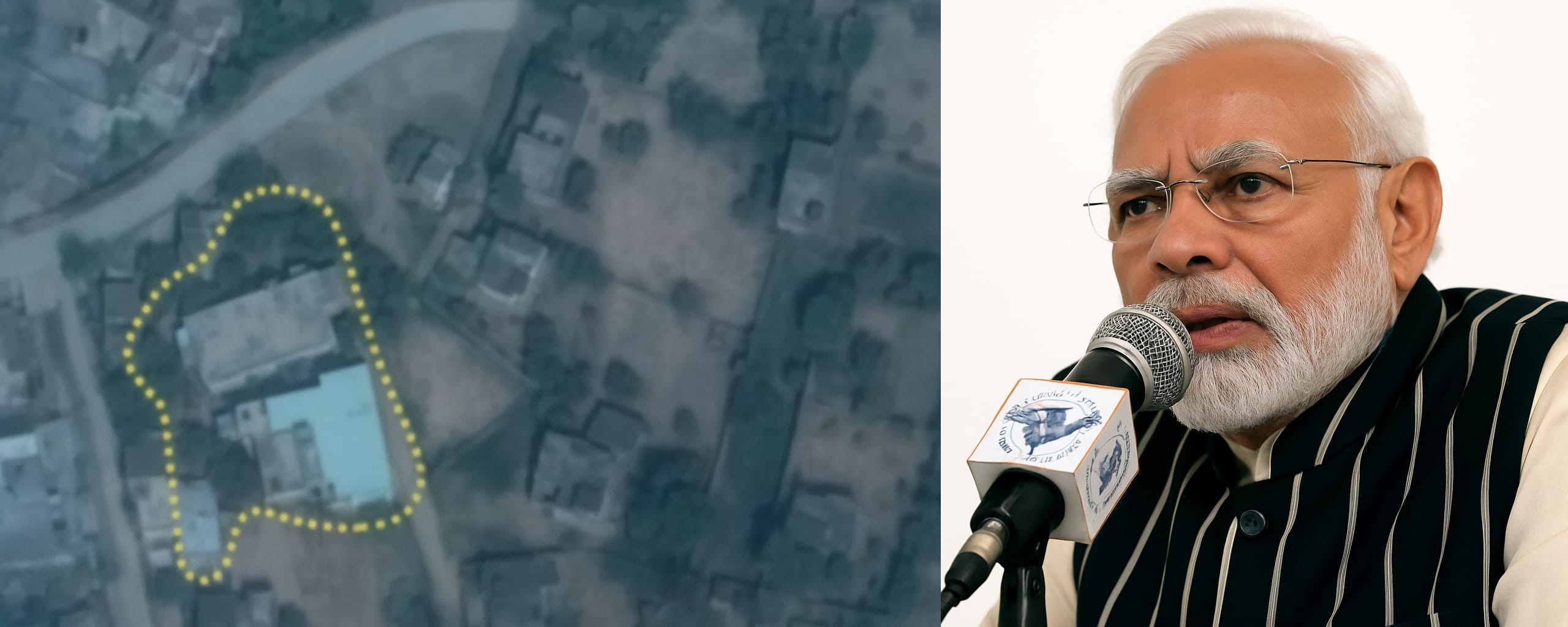
PM Modi Showcases Destroyed Terror Camps in First Mann Ki Baat After Operation Sindoor
In his latest Mann Ki Baat, PM Modi Operation Sindoor took centre stage as the Prime Minister addressed the nation about the successful cross-border strikes. The PM Modi Operation Sindoor mission, launched in response to the tragic Pahalgam attack, has become a defining moment in India’s fight against terrorism.
The PM Modi Operation Sindoor strikes targeted key terror camps with precision, showcasing India’s evolving defence capabilities. This operation, often highlighted by PM Modi, reflects a new strategic posture that combines bravery with cutting-edge indigenous technology.
Experts believe that PM Modi’s Operation Sindoor is not just a military victory but a clear signal to terror groups that India, under PM Modi’s leadership, will take decisive action. With PM Modi Operation Sindoor fresh in public memory, the country is united in its resolve to fight terror.
In this article, we explore PM Modi Operation Sindoor — a landmark military action that changed India’s counter-terror approach.
🇮🇳 A Defiant Voice After a Historic Strike
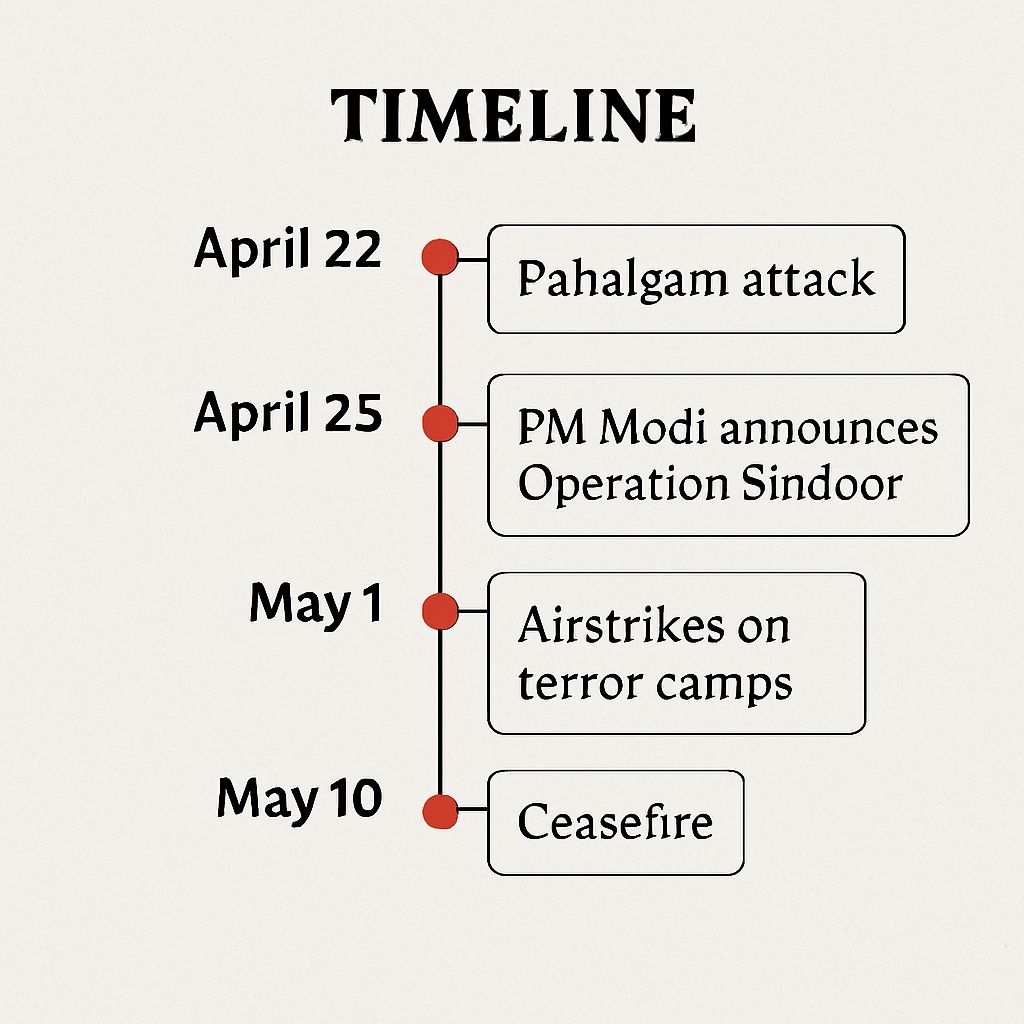
In a powerful and emotionally charged edition of Mann Ki Baat on Sunday, Prime Minister Narendra Modi addressed the nation for the first time since Operation Sindoor, a decisive military response to the Pahalgam terror attack that claimed 26 lives on April 22.
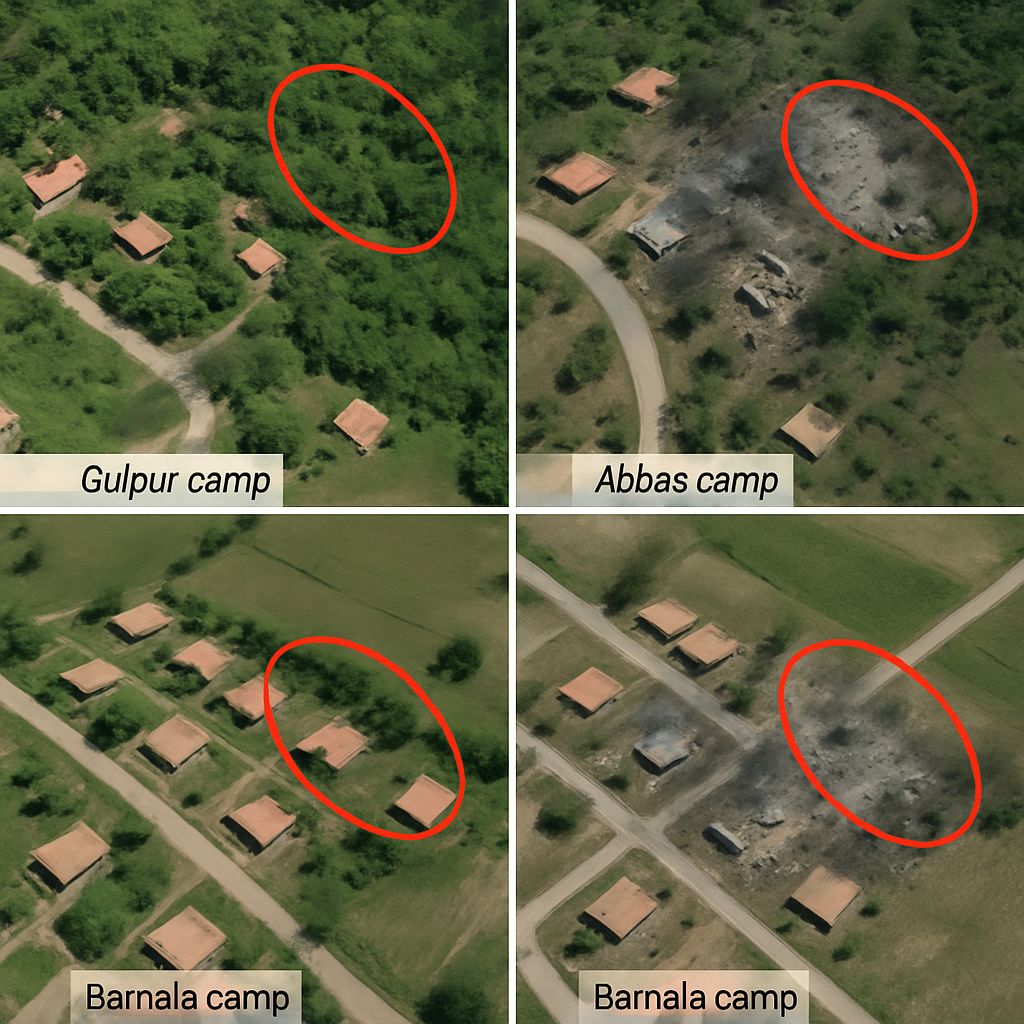
Holding nothing back, the PM not only confirmed India’s cross-border precision strikes but also revealed photographic evidence of destroyed terror infrastructure in Pakistan and Pakistan-occupied Kashmir (PoK), sending a strong message of India’s growing assertiveness and global leadership in the fight against terror.
PM Modi Operation Sindoor: A Turning Point in India’s Anti-Terror Strategy
Launched on May 7, Operation Sindoor was India’s answer to yet another bloodbath on its soil. Coordinated between 1:05 AM and 1:30 AM, this high-precision military mission involved missile strikes on nine terror camps:
📍Terror Camps Destroyed:
| Location | Terror Group | Purpose |
|---|---|---|
| Gulpur (PoK) | Lashkar-e-Taiba | Operative base for Rajouri & Poonch |
| Abbas (PoK) | LeT | Suicide bomber training |
| Barnala (PoK) | Multiple | Weapons, IEDs, jungle warfare |
| Markaz Subhan (Bahawalpur) | Jaish-e-Mohammad | Recruitment and indoctrination |
| Markaz Taiba (Muridke) | Lashkar-e-Taiba | HQ of LeT; linked to 26/11 |
| Sarjal & Mehmoona Joya (Sialkot) | Unknown | Advanced training |
| Syedna Belal & Sawai Nala (Muzaffarabad) | Unknown | Operations and logistics |
📌 Did You Know?
“Sindoor” symbolises commitment and protection in Hindu tradition—PM Modi highlighted it as symbolic of India’s pledge to protect every citizen.
PM Modi’s Key Statements in Mann Ki Baat🗣️
“Operation Sindoor is the picture of our resolve, courage, and a changing India.”
With visuals of the obliterated camps displayed on screen, the Prime Minister declared this was not just a military retaliation but a turning point in the global war against terror. He credited the success to the Indian military’s bravery and indigenous defence manufacturing, aligning with the Aatmanirbhar Bharat mission.
⚙️ Quote Highlight:
“This was the ultimate bravery of our soldiers, backed by the power of weapons, equipment, and technology made in India.”
PM Modi made it clear: this wasn’t a one-off act, but a strategic doctrine shift—an India that acts, and acts decisively.
Retaliation & Ceasefire⚔️
How PM Modi’s Operation Sindoor Strengthened National Security
Following Operation Sindoor, Pakistan retaliated with a massive missile and drone offensive, but Indian defences effectively neutralized the threat. In a swift counter-response, India targeted Pakistani airfields, further escalating tensions.
🕋️ A ceasefire was brokered on May 10, temporarily halting hostilities, but the geopolitical temperature remains high.
Global Implications: A New India on the World Stage🌍
Operation Sindoor doesn’t just reshape South Asian security dynamics—it marks India’s assertive entry into the global anti-terror narrative.
-
Message to Terror Sponsors: Safe havens won’t be tolerated.
-
Signal to Global Allies: India can independently neutralise threats.
-
Demonstration of Defence Capability: From missiles to drones—India showcased its indigenous might.
🇮🇳 India’s defence doctrine is no longer reactive. It is proactive, precision-based, and politically unflinching.
Analysis: Why This Matters🧠
-
Strategic Messaging: By addressing it in Mann Ki Baat—a platform meant for civil society—Modi reinforced that national security is everyone’s cause.
-
Public Mobilisation: Modi’s speech tapped into collective grief and anger, transforming it into nationalistic resolve.
-
Psychological Warfare: Publishing striking visuals publicly was a psychological tactic, forcing adversaries to reconsider their next move.
Frequently Asked Questions (FAQs)🔎
-
What is Operation Sindoor?
A cross-border Indian military operation targeting terror camps in Pakistan and PoK after a deadly attack in Pahalgam. -
When was Operation Sindoor launched?
May 7, 2025, from 1:05 AM to 1:30 AM. -
How many terror camps were destroyed?
Nine camps across Pakistan and PoK. -
What terror groups were targeted?
Lashkar-e-Taiba, Jaish-e-Mohammad, and Hizbul Mujahideen. -
Why is it called “Sindoor”?
“Sindoor” symbolises protection and commitment in Hindu tradition—used here as a symbol of India’s resolve. -
Did PM Modi confirm the strikes publicly?
Yes, during his Mann Ki Baat address with visuals. -
What was Pakistan’s response?
A missile and drone attack, followed by a ceasefire on May 10 after Indian retaliation. -
Was this a surgical strike or an airstrike?
Missile-based precision strikes, not ground-based. -
Were civilians affected?
Reports indicate that only the terrorist infrastructure was targeted. -
How did the global community react?
Still unfolding; major powers have called for restraint while privately supporting anti-terror actions. -
How long did Operation Sindoor last?
It was a single-phase, short-duration strike lasting 25 minutes. -
Were any Indian soldiers injured or killed?
No casualties reported on the Indian side. -
How did India confirm the success of the strikes?
Using satellite imagery and ground-based intelligence. -
Has India conducted similar strikes in the past?
Yes, most notably the 2016 surgical strikes and 2019 Balakot airstrikes. -
What kind of weapons were used in Operation Sindoor?
Indigenously developed precision missiles and surveillance drones. -
Is Operation Sindoor considered a violation of international law?
India maintains it was an act of self-defence under Article 51 of the UN Charter. -
How has Pakistan reacted diplomatically?
It has condemned the strikes and sought international attention, but has not escalated further post-ceasefire. -
Was the operation coordinated with other countries?
No official confirmation, but intelligence inputs were likely shared with key allies. -
What role did Indian intelligence play?
Crucial—pinpointing exact locations, leadership hubs, and strike timings. -
Will there be more such operations?
India has signalled that this doctrine of proactive strikes will be part of its future counterterrorism strategy.
💾 Final Word: India’s Red Line Is Now Clear
PM Modi’s Mann Ki Baat after Operation Sindoor wasn’t just a speech—it was a statement. A declaration that India will respond to terror not with rhetoric, but with retaliation. That strategic ambiguity is over. And that a new India, armed and assertive, is now setting the rules of engagement.
The success of PM Modi Operation Sindoor shows India’s readiness to tackle threats decisively.
🔍 At Bhussan.com, we dive deep beyond headlines—uncovering truth, analysing facts, and bringing you stories that shape India’s future. If it matters to the nation, you’ll find it here. Because informed minds build stronger nations. 🇮🇳
Suggested External Resources:
-
Official Government Statement on Operation Sindoor
👉 Ministry of Defence, India – Official Press Releases
(Trusted source for confirming India’s military operations and statements) -
Background on Lashkar-e-Taiba and Jaish-e-Mohammad
👉 United Nations Security Council – Listed Terror Organisations
(Source showing these groups as officially designated global terror entities) -
Analysis of India’s Defence Capabilities
👉 IDSA – Institute for Defence Studies and Analyses
(Indian government think-tank providing analysis on defence strategy and operations) -
Timeline of India-Pakistan Ceasefire Agreements
👉 BBC News – India-Pakistan Military History
(International neutral coverage to show ceasefire history and context) -
Global Reactions to Cross-Border Anti-Terror Operations
👉 Reuters – Global Responses to Indian Strikes
(Use a specific article related to the 2025 Operation Sindoor if available)
📢 Share Your Thoughts:
Do you think Operation Sindoor marks a lasting shift in India’s counterterrorism policy? Drop your comments below 👇