
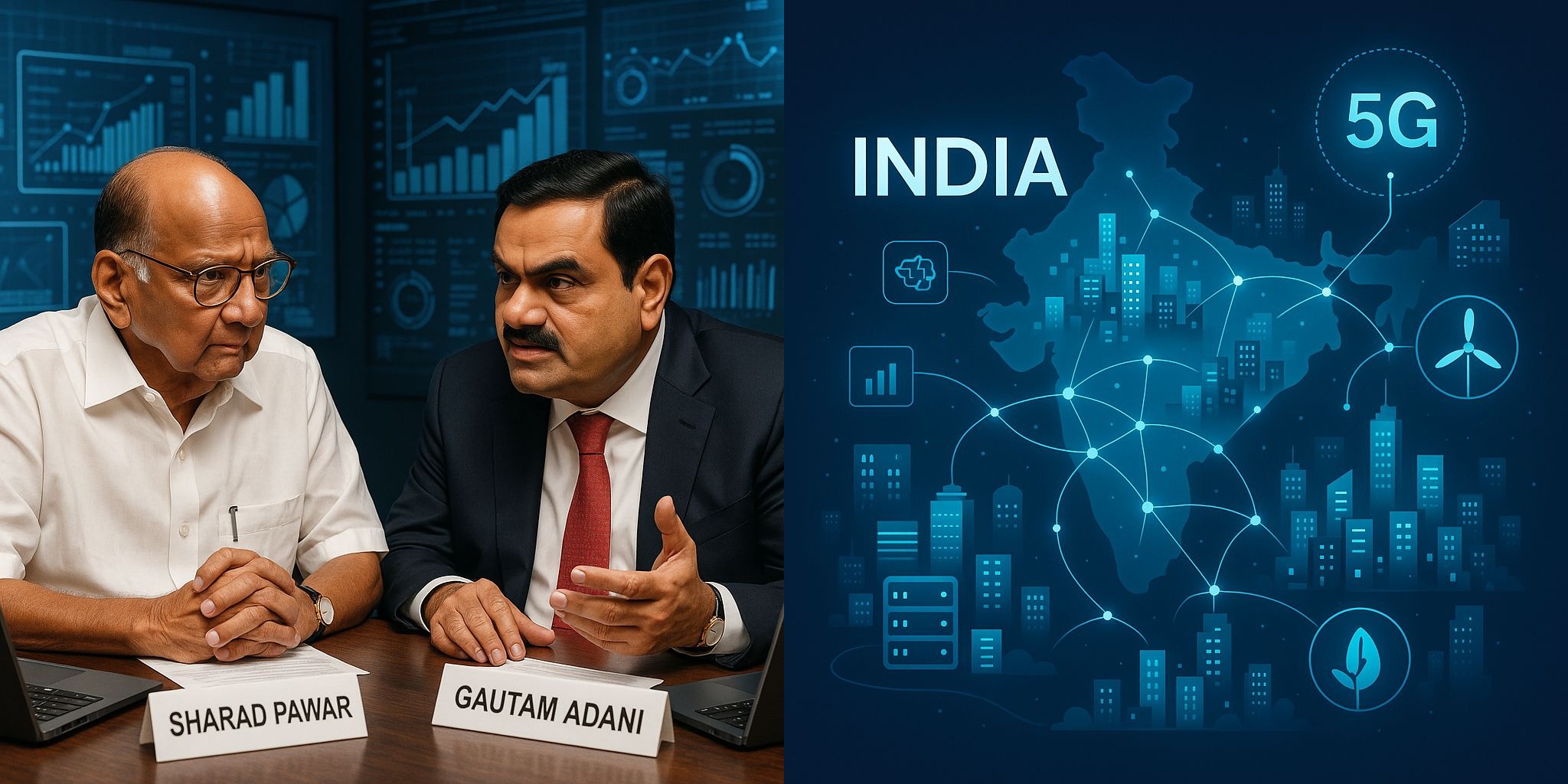
Sharad Pawar Gautam Adani Meeting: Exploring Technology and Sustainability for India’s Future
The recent meeting between Sharad Pawar, the influential political leader, and Gautam Adani, the billionaire industrialist, has drawn significant attention. The two powerhouses met in Pune for over two hours, discussing a range of topics that could shape India’s future, most notably, technology and sustainability. While the details of their discussions remain largely private, the very fact that these two titans of politics and business sat down to deliberate on the nation’s digital transformation, green tech, and infrastructural growth is enough to make everyone sit up and take notice.
This meeting is more than just a discussion between two prominent figures. It signals a deeper shift in how political leaders and business magnates in India are aligning themselves to address the challenges and opportunities presented by a rapidly evolving global tech-driven economy.

Sharad Pawar and Gautam Adani: Key Figures Shaping India’s Future
Before diving into the specifics of their meeting, it’s essential to know more about the two central figures involved.
Sharad Pawar is a towering figure in Indian politics, known for his leadership of the Nationalist Congress Party (NCP). He has played an instrumental role in shaping the political landscape, particularly in Maharashtra. His influence spans various domains, including agriculture, infrastructure, and rural development. As an experienced policymaker, Pawar has a comprehensive understanding of the issues that matter most to India’s citizens, particularly in terms of economic growth and sustainable development.
Gautam Adani, on the other hand, is a name synonymous with entrepreneurial ambition. As the head of the Adani Group, Adani has built one of India’s most diverse and successful conglomerates, with interests ranging from energy, ports, and logistics to aerospace and defense. More recently, Adani has increasingly focused on green technologies and sustainable energy, making him a key player in India’s shift toward renewable energy and tech innovation.
Why Technology and Sustainability? A Strategic Conversation for India’s Growth
India is at a critical juncture in its development. As a rapidly growing economy, the nation is embracing technology as a cornerstone of its future. Both Sharad Pawar and Gautam Adani understand the importance of aligning their visions to shape a tech-driven future that is also sustainable. Here are some reasons why this meeting was so significant:
1. India’s Digital Transformation
India is undergoing a digital revolution, with the government pushing for greater digitalization across various sectors, including healthcare, education, and agriculture. Both Pawar and Adani are well-placed to play a pivotal role in this transformation. Pawar’s understanding of policy and development, combined with Adani’s business acumen in infrastructure and logistics, could create opportunities for more seamless digital integration across India.

2. Focus on Sustainability and Green Technologies
Both Adani and Pawar have a deep interest in sustainable development. Adani Group’s initiatives in renewable energy, including solar and wind power, reflect the company’s commitment to environmental sustainability. Similarly, Pawar has long advocated for sustainable agriculture and rural development. A potential partnership between the two could lead to significant advancements in green tech, such as AI-powered smart agriculture, solar energy solutions for rural India, and sustainable urban infrastructure.
3. Infrastructure and Technology Synergy
Adani Group’s investments in infrastructure, particularly in ports, airports, and logistics, are already significant. As technology continues to shape global economies, combining advanced tech solutions like AI, IoT, and 5G connectivity with infrastructure development will be key. This collaboration could provide India with the infrastructure backbone needed for a smart, tech-driven economy.
4. Tech Policy for Public Welfare
With technology becoming central to governance, both Pawar and Adani could push for policies that facilitate the digital delivery of services. This could include creating more efficient systems for healthcare, education, and rural development. Smart cities, for example, are an area where tech-driven governance can significantly improve the quality of life for millions.
What Did They Discuss? Potential Focal Points of the Meeting
Though the specifics of their conversation remain private, it’s likely that they discussed several key topics that align with their individual expertise and vision for India’s future.

1. Partnerships in Renewable Energy and Green Tech
The Adani Group is already a leader in solar power and has made significant moves into hydrogen fuel and electric vehicle infrastructure. Pawar’s emphasis on sustainable agriculture could spark a conversation on how renewable energy and green tech can be integrated into rural development, making India a global leader in sustainability.
2. Building Robust Digital Infrastructure
With Adani’s significant investments in data centers and digital infrastructure, the meeting may have included discussions on the development of India’s data infrastructure. India’s digital transformation requires a robust infrastructure to handle the growing demands of its vast population.
3. Tech Policy and Regulatory Frameworks
As technology evolves, so do the regulatory challenges. Adani and Pawar could have discussed the need for better policy frameworks that protect data privacy, encourage innovation, and manage the growing digital economy. This would help foster a balanced, forward-thinking digital economy for India.
4. Using Technology for Public Welfare
Both Adani and Pawar have been involved in CSR initiatives and social welfare programs. Technology can be an effective tool to address issues like healthcare accessibility, education, and rural development, ensuring that India’s growth is inclusive and equitable.
Broader Implications: Business, Politics, and Tech-driven Growth
The Political and Business Synergy
In India, politics and business are closely intertwined. The meeting between Pawar and Adani hints at a deeper collaboration between political leaders and business moguls. Such partnerships could significantly impact the future of tech policy, infrastructure development, and digital governance in India.
Fostering Tech-driven Economic Growth
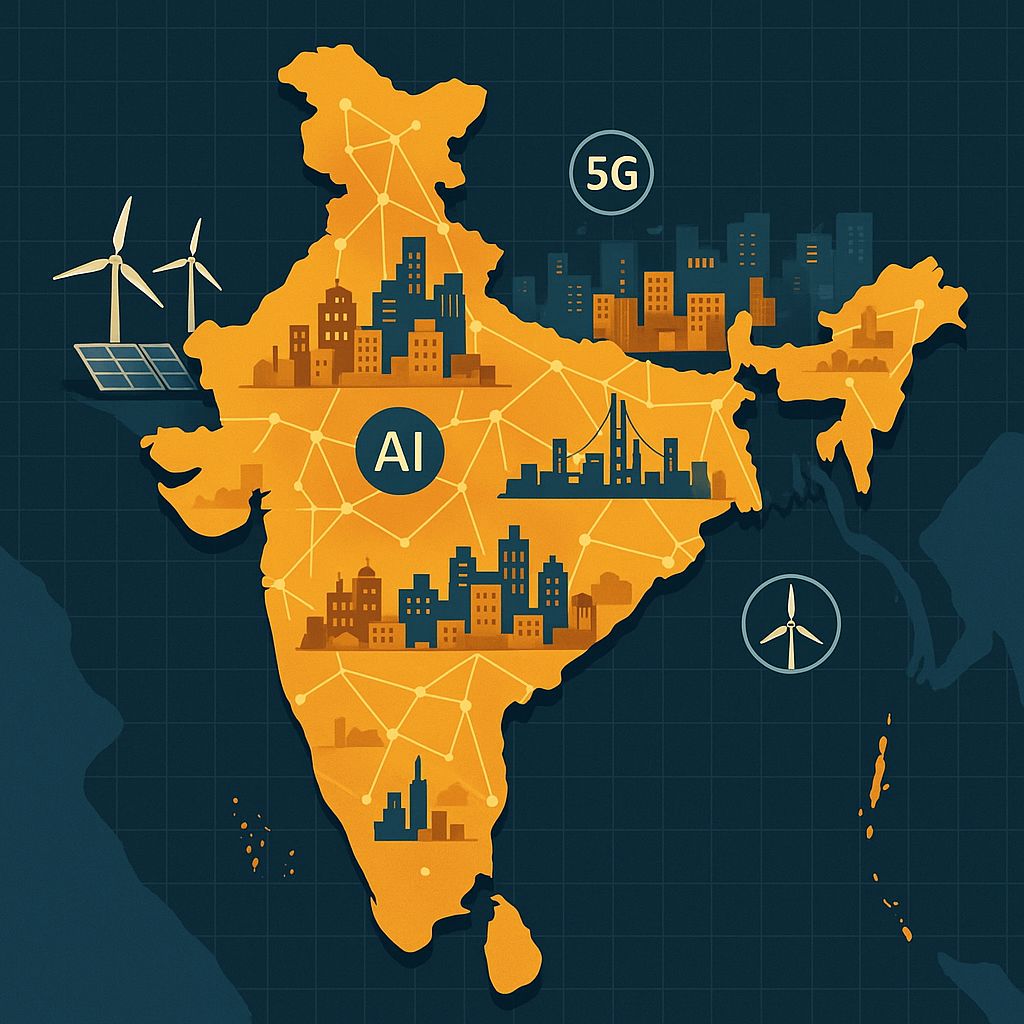
India’s burgeoning startup ecosystem and expanding tech sector provide a solid foundation for growth. However, scaling these innovations across the country, especially in rural areas, is a challenge. This meeting could be the first step in formulating inclusive policies that drive technology adoption and economic growth.
Sustainability as a Key Focus
With climate change becoming a global challenge, India’s sustainability agenda will be crucial. Collaborations like the one between Pawar and Adani could pave the way for India to lead in green technologies, from renewable energy to sustainable agriculture.
Conclusion: A New Era of Tech and Sustainability in India
The Sharad Pawar Gautam Adani meeting marks a significant moment in India’s journey toward a tech-driven and sustainable future. As the country navigates the challenges of modernizing infrastructure, embracing digital transformation, and tackling environmental concerns, the collaboration between political leaders and business giants will play a crucial role.
While the details of their discussion remain to be seen, one thing is certain: the future of India lies in leveraging technology and sustainability for inclusive and equitable growth. With visionary leaders like Pawar and Adani, India is poised to lead in areas like renewable energy, smart cities, and digital governance.
The meeting in Pune could very well be the first step toward a more tech-enabled, sustainable, and economically prosperous India.